Forget for a moment Garda’s sun-drenched beaches, lemon groves, sailing boats, and romantic sunsets. There is another voice—deep, metallic—that runs beneath the rock, triggering red lights behind airtight doors. It is the voice of a Cold War bunker: a grid of corridors, classified rooms, and sirens that still demand respect. Once one of the most inaccessible and vital hubs of the NATO defence system, it is now a labyrinth of concrete and memories frozen in time.
This former military complex, codenamed Site B and today better known as West Star, represents a historical and engineering heritage of extraordinary value. Its scale and state of preservation are truly unique—not just in Italy, but across the entire European continent.
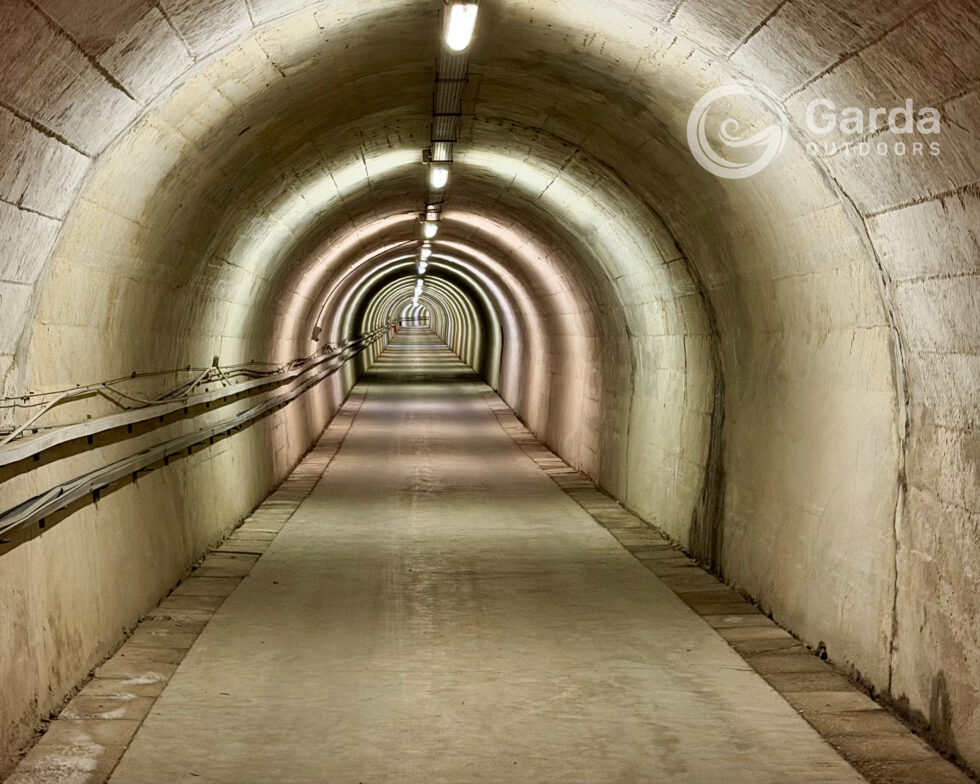
Embedded within the heart of Monte Moscal, which towers over the town of Affi, the site spans an area of approximately 13,000 square metres. Within, more than a hundred rooms are laid out along concrete tunnels carved out over 200 metres underground.
Designed in the mid-1950s and completed in the early 1960s to rigorous US military standards, this bunker stands as a crucial piece of Italian, European, and global history, establishing itself as one of the largest protected military sites open to the public in the entire Western world. In terms of era, technical specifications, and operational purpose, the American equivalent of West Star is undoubtedly the famous Cheyenne Mountain complex in the United States.
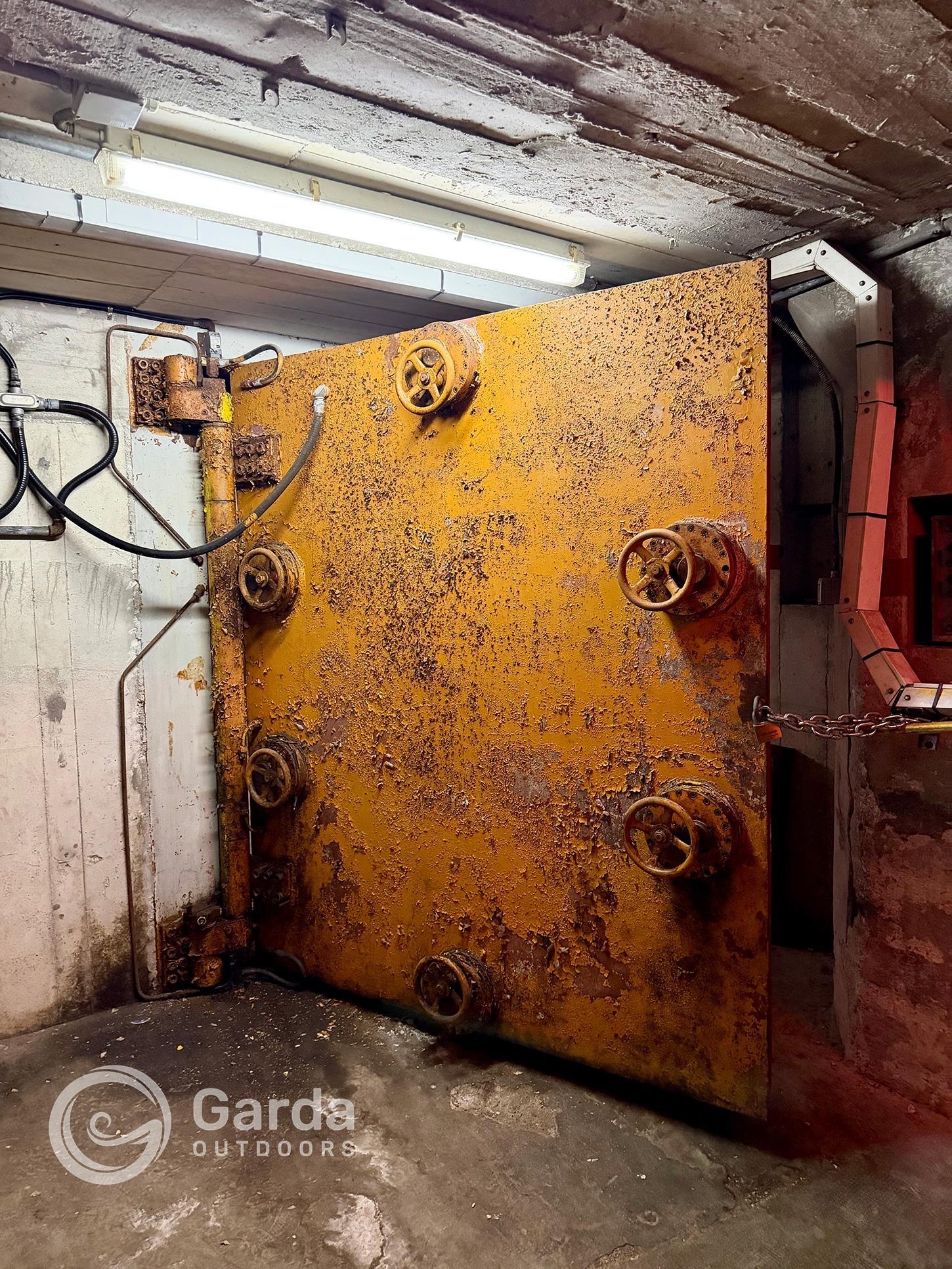
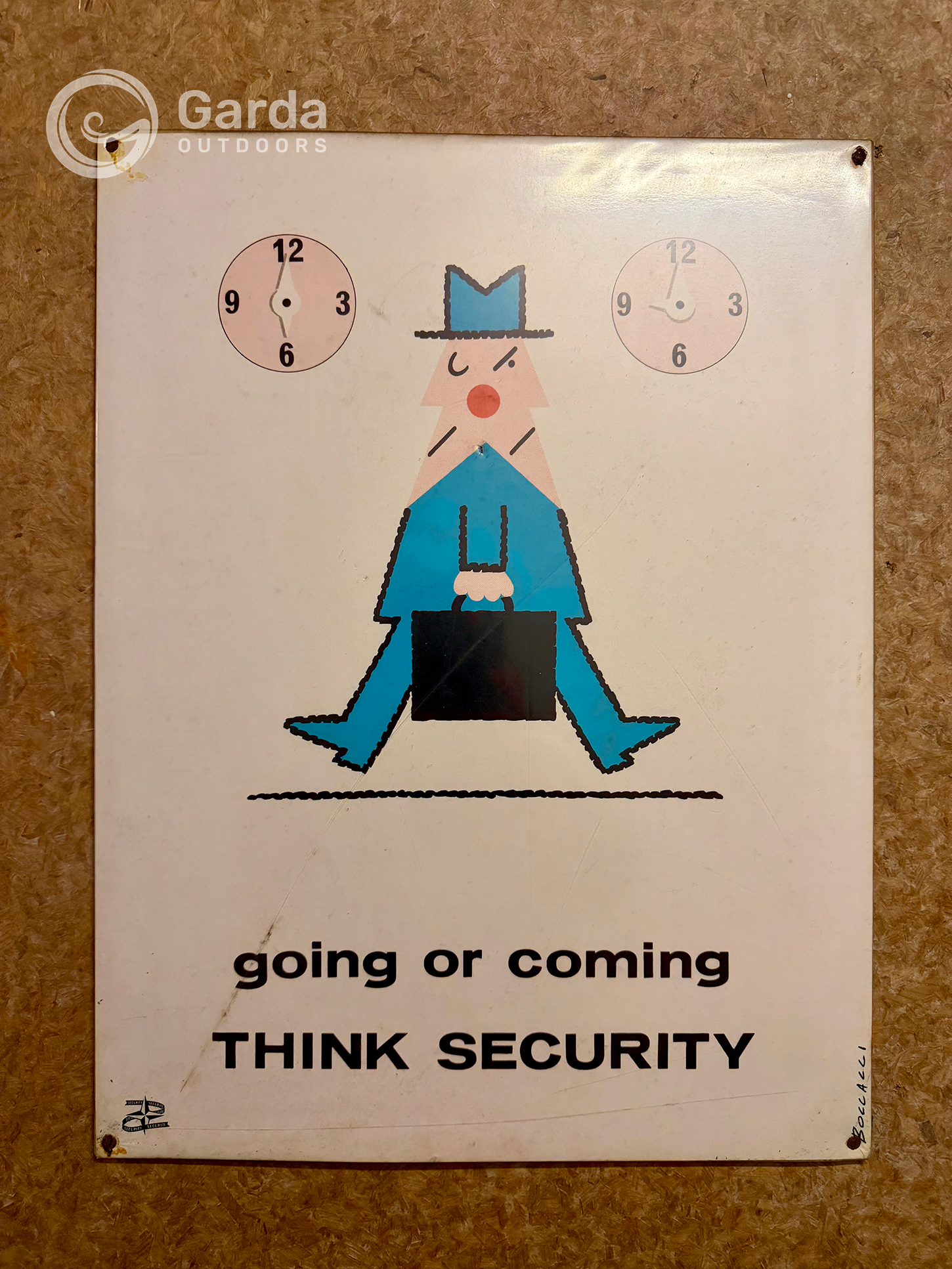
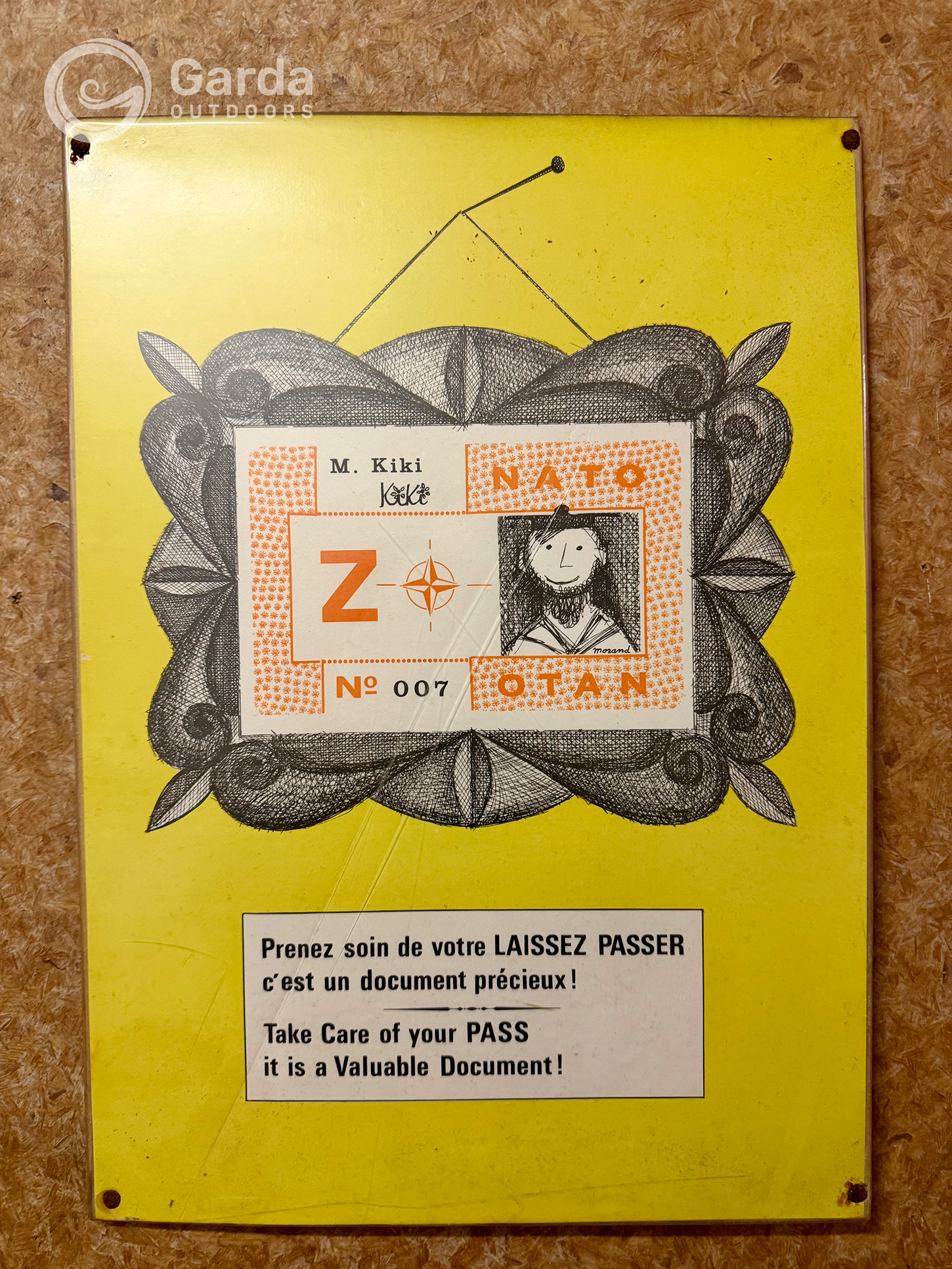
Conceived to guarantee the survival of around 200 personnel for 30 days and to withstand a direct blast from a 100-kiloton nuclear warhead, the bunker operated non-stop for nearly four decades as a nerve centre for communications, command, and control. The site served as a key node in NATO’s secure communications network, designed to remain fully operational even in the event of a nuclear holocaust.
Decommissioned from military use in 2006, the facility still houses its original technology, equipment, and plant systems, offering a rare glimpse into two generations of engineering and technological evolution.
✨ Live Lake Garda: Unique Experiences Handpicked for You
Close your eyes and imagine the still air, heavy with a pungent odour—“like an old cellar,” some might say, though nothing is aged here. You are standing in a place where history unfolded, leaving behind the weight of decisions that could have altered the fate of the world. And today, we are among the privileged few to walk its halls.
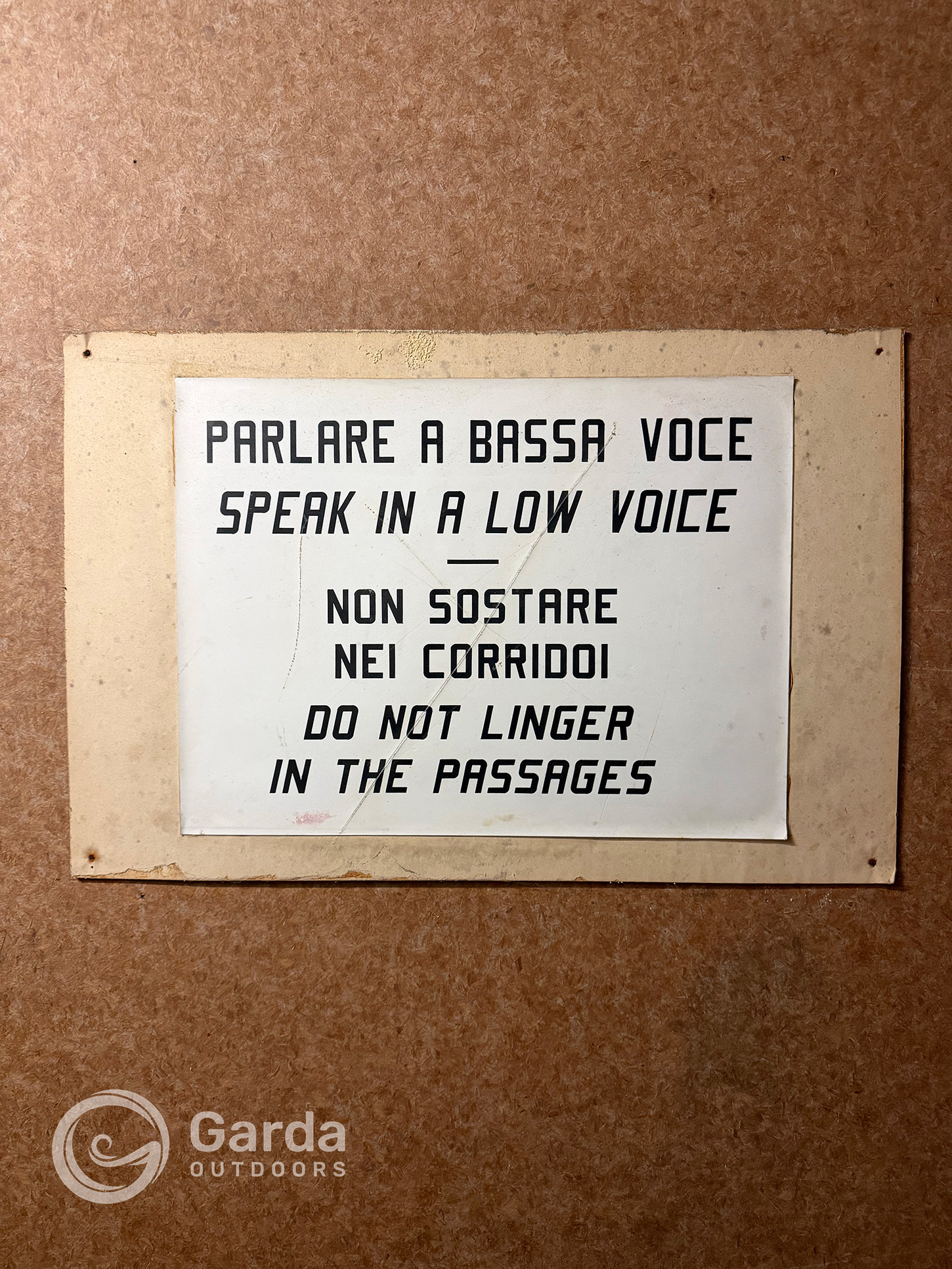
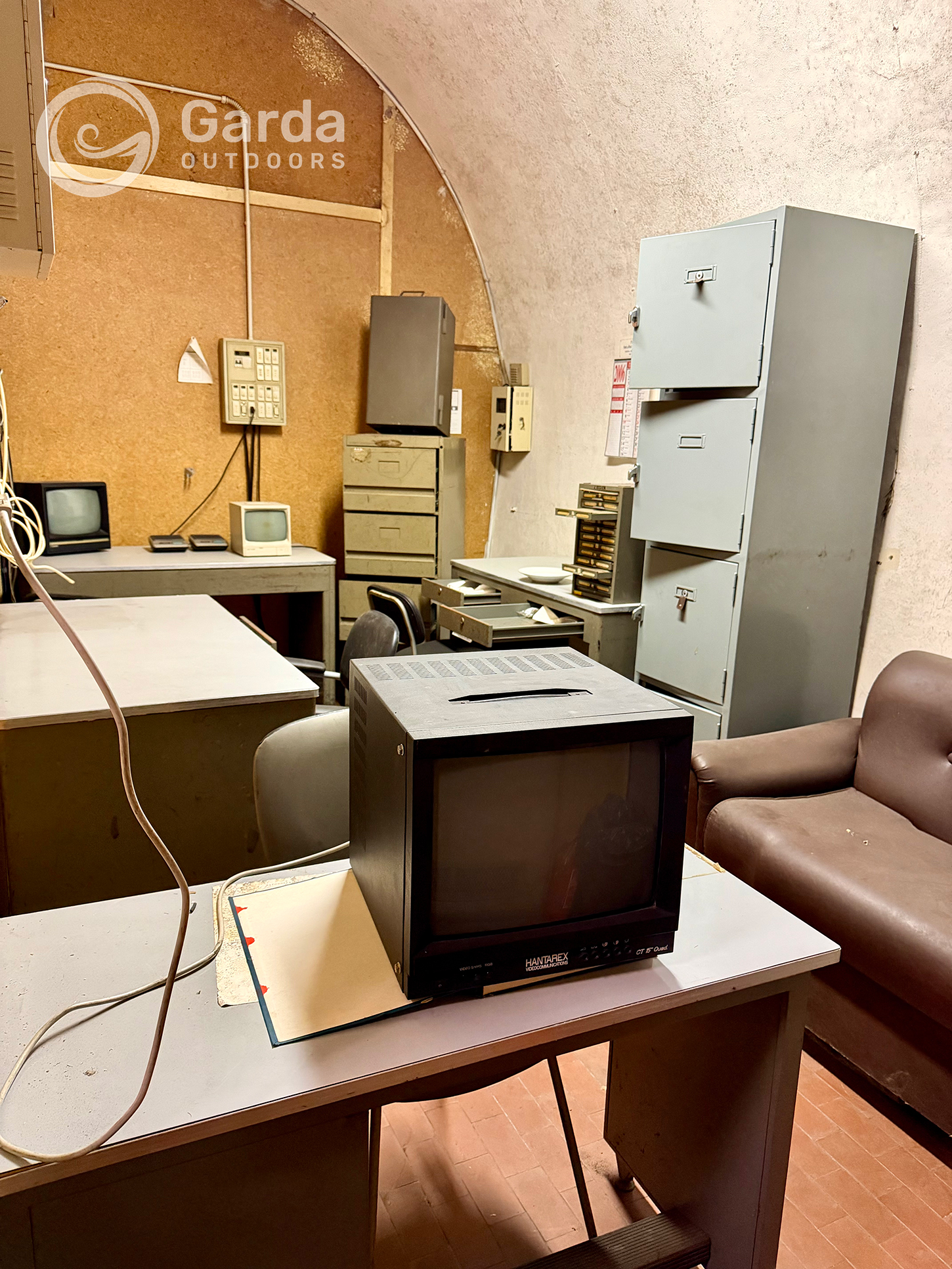
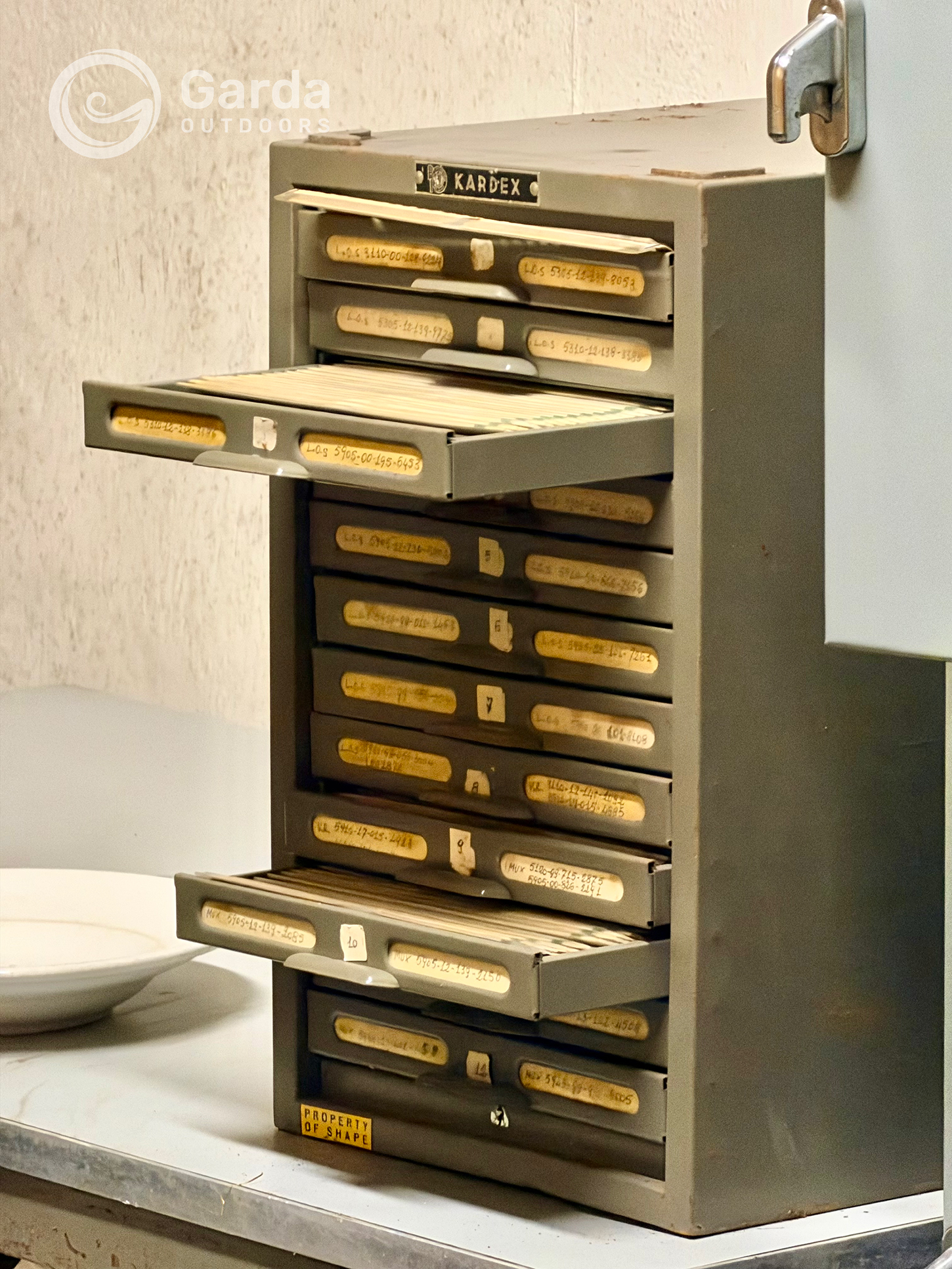
Entering the labyrinth: where silence screams
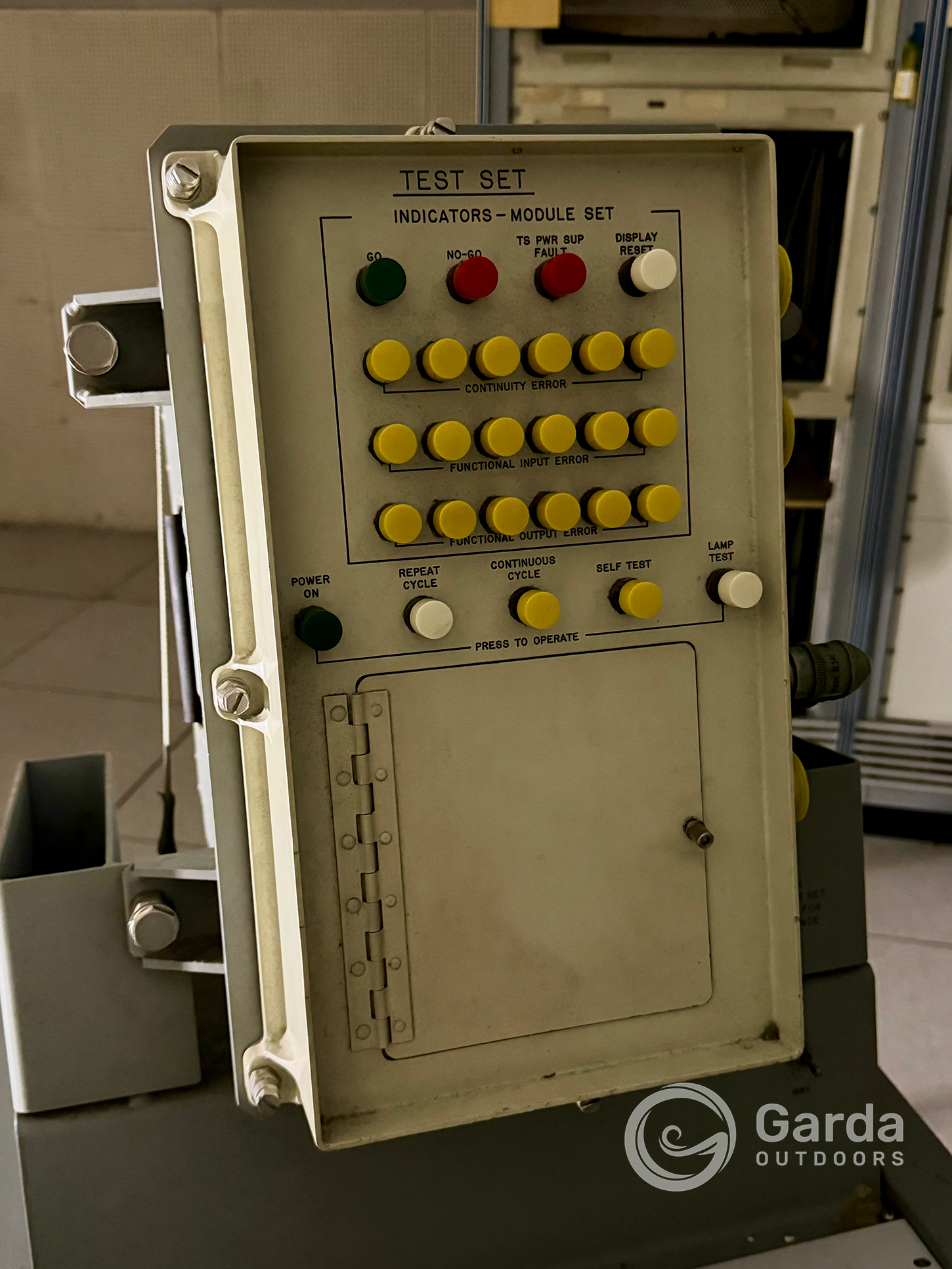
The moment you step inside, 1970s and 80s technology immediately catches your eye: rotary dial telephones and air bubbles humming through pneumatic tubes. For anyone born in that era, like myself, this trip down memory lane leaves a nostalgic lump in the throat.
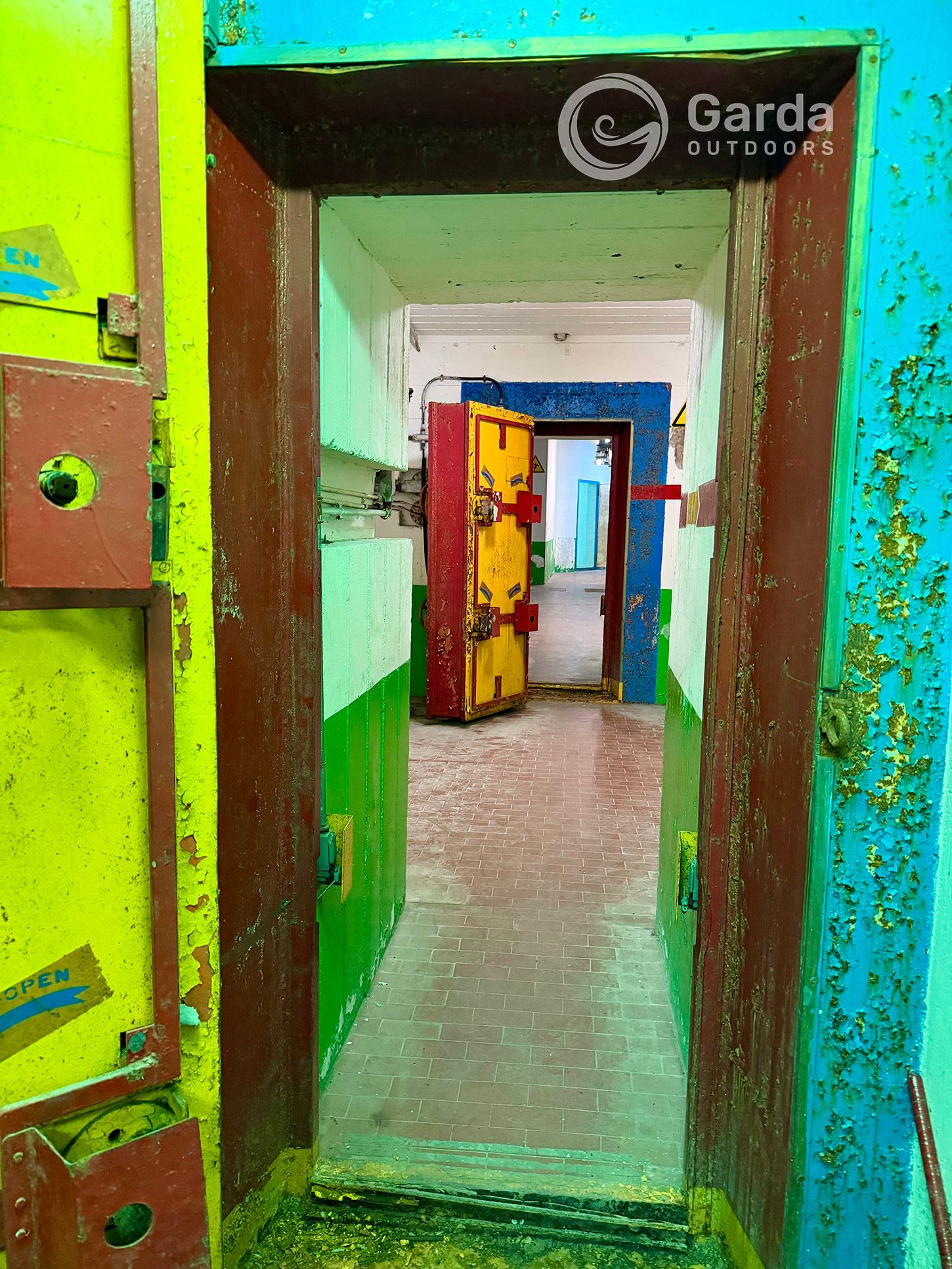
The first sensation is a tunnel chill that grips you right away. “Watch your head… mind your top!” the voice of our guide breaks an almost sacred silence as we cross the threshold of the mythical Red Door, projecting us back in time. We are standing in the nerve centre of the base: the so-called “Area 2”, the sanctum sanctorum of NATO operations in Southern Europe.
Our journey begins where, for decades, visitors faced an absolute standstill. “This was the most dangerous part,” we are told. Only specialized engineers, mechanics, and carefully vetted military personnel were allowed in here. Every entry was controlled by a guard, every face closely scrutinized. We navigate a labyrinth straight out of Resident Evil, following coloured lines on the floor—“yellow door”, “green line”—which were once the only lifeline for those carrying sensitive cargo or top-secret components.
Our first stop stops us dead in our tracks: the “Caustic Soda Room”, designed to purify the air in a continuous loop—a vital system for subterranean survival.
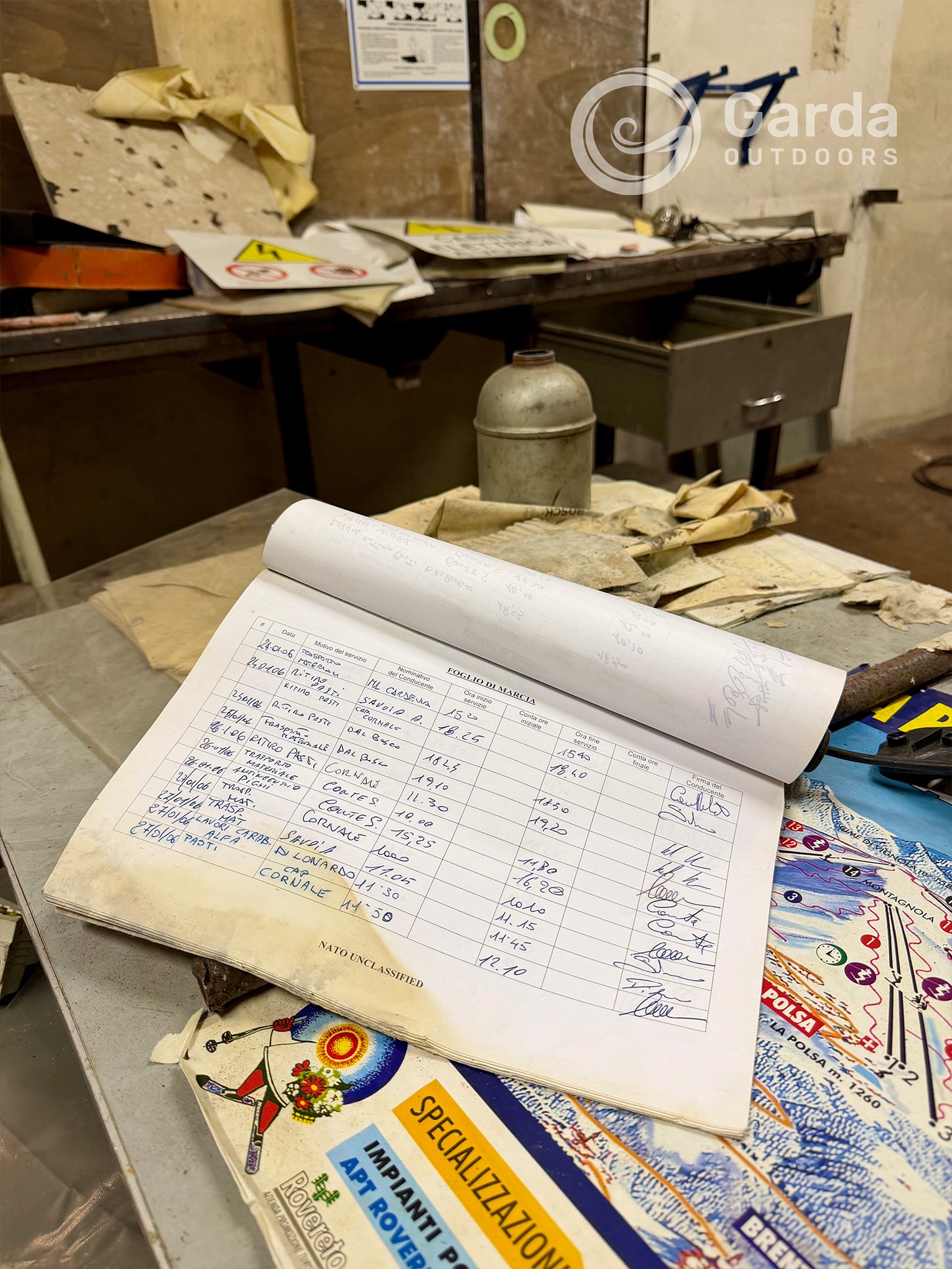
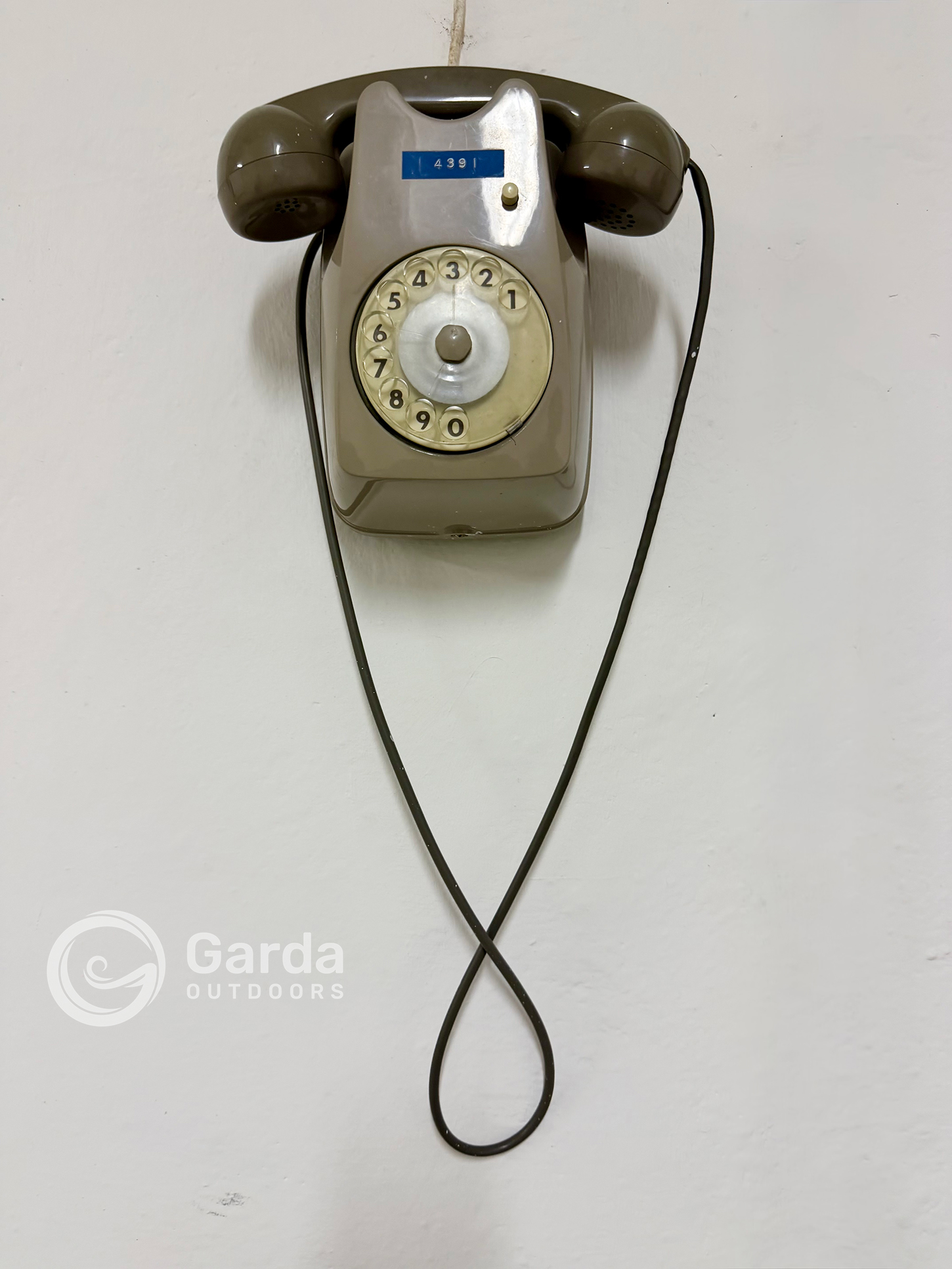
The brain of the Base: deciphering the World’s fate
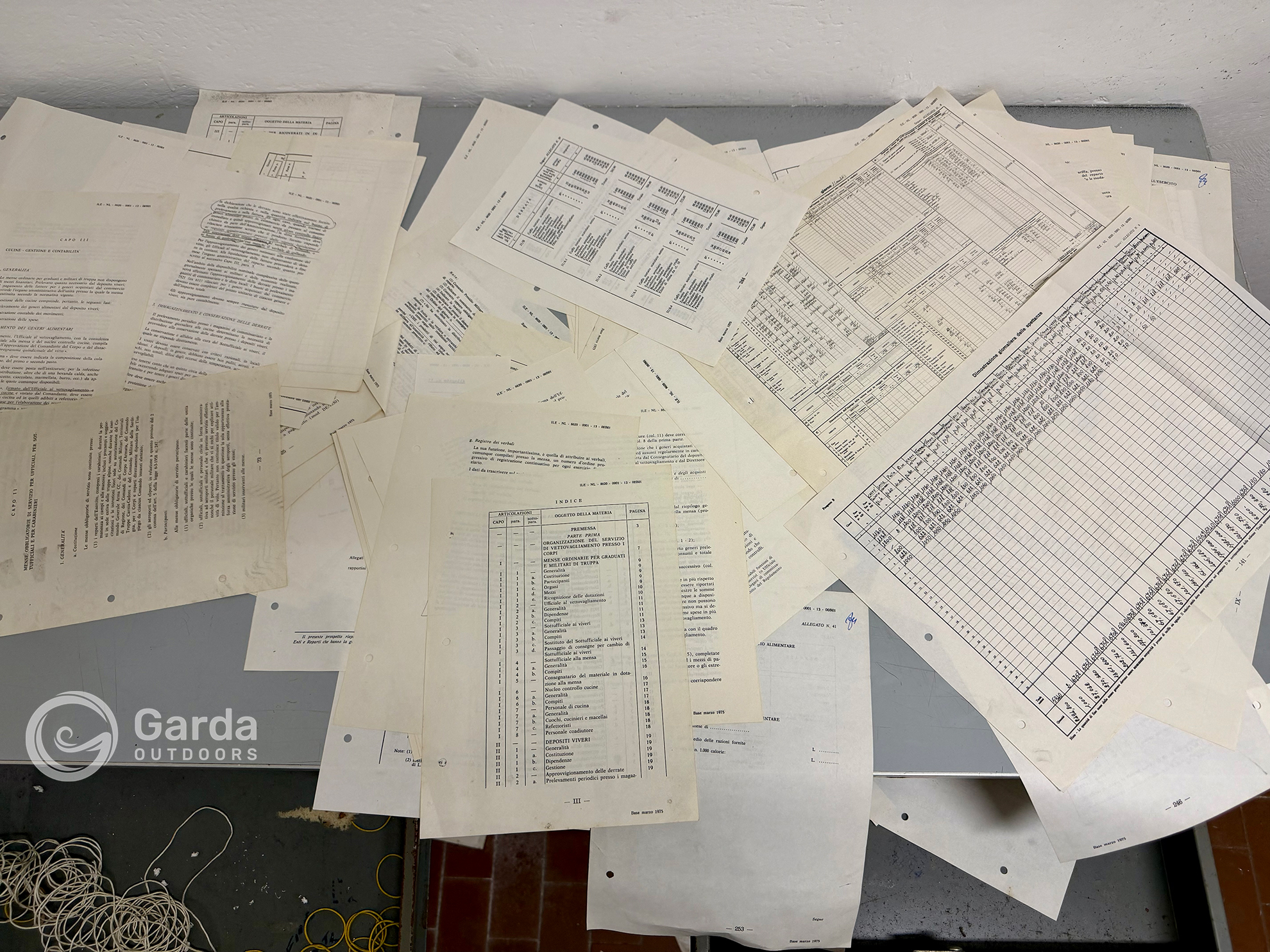
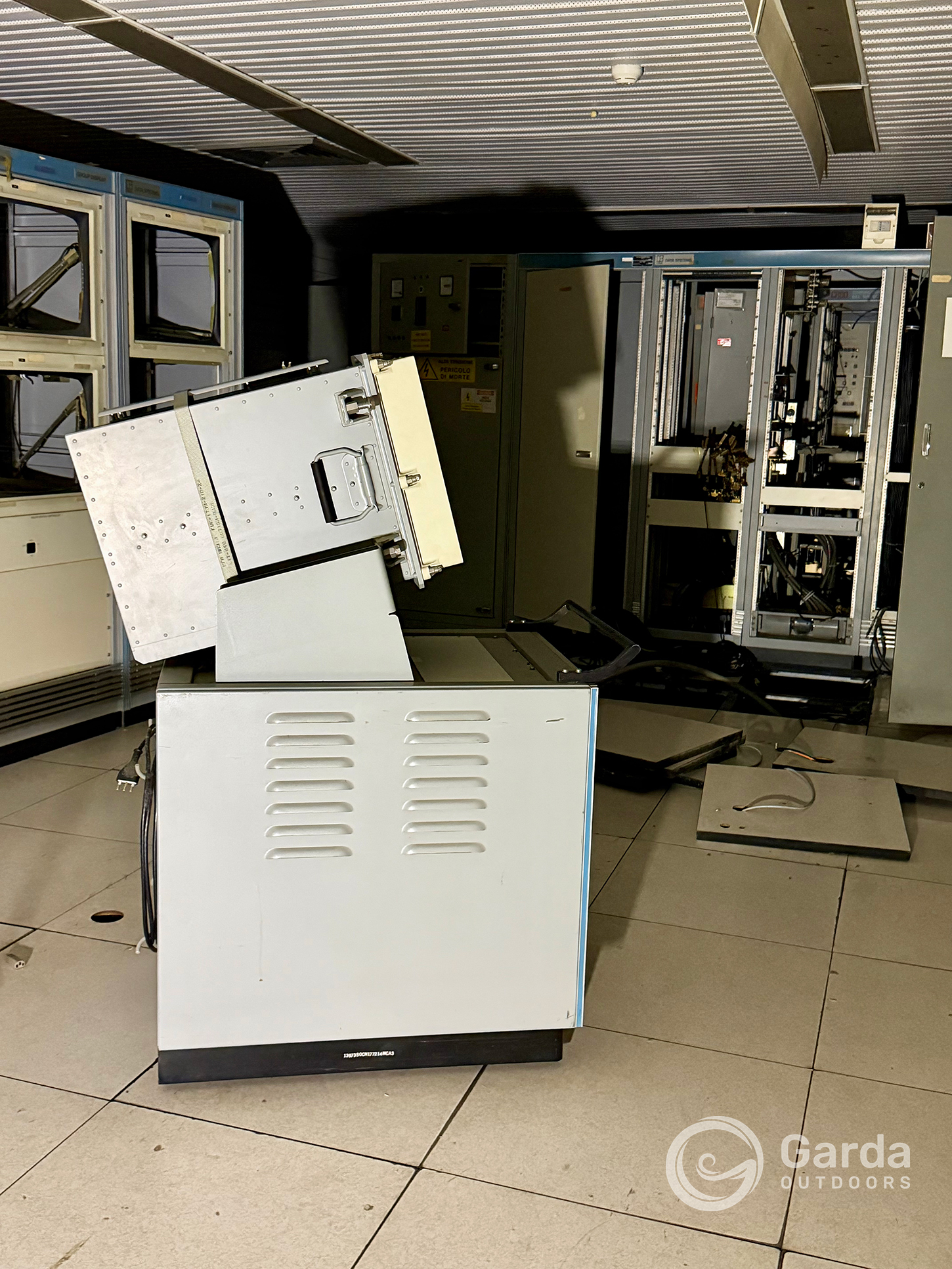
We walk across raised access floors, carefully dodging the gaps left behind by copper thieves who stripped the base’s nervous system after its official closure. Beneath our feet, miles of cabling once flowed. “In here, they performed a critical task,” our guide explains: “deciphering incoming messages, formulating the response, and re-encrypting the reply.” This was the operational brain where crucial decisions were made, ranging from espionage to fighter-bomber operations.
Security was total: the base was built by different companies so that no single contractor would know the complete blueprint. In the telecommunications rooms, the rule was that no one could ever be left alone; at least three operators had to be present at all times.
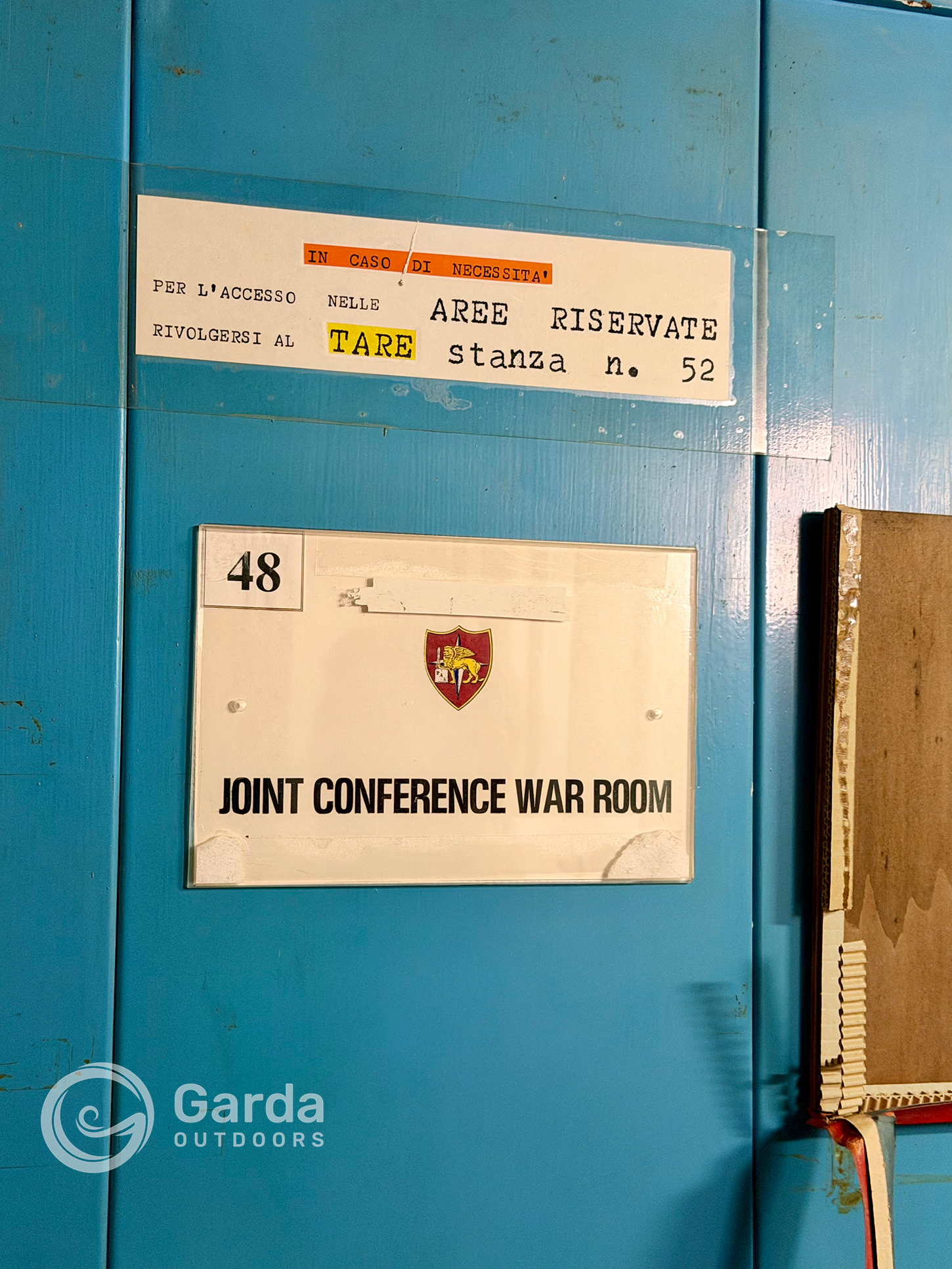
The door to the War Room is an impenetrable steel monster, still bearing the manufacturer’s mark: Conforti Verona. Inside, we are told, the Chief General once told another General: “Everything you see in here… is top secret. I’d have to kill you after you leave this room.”
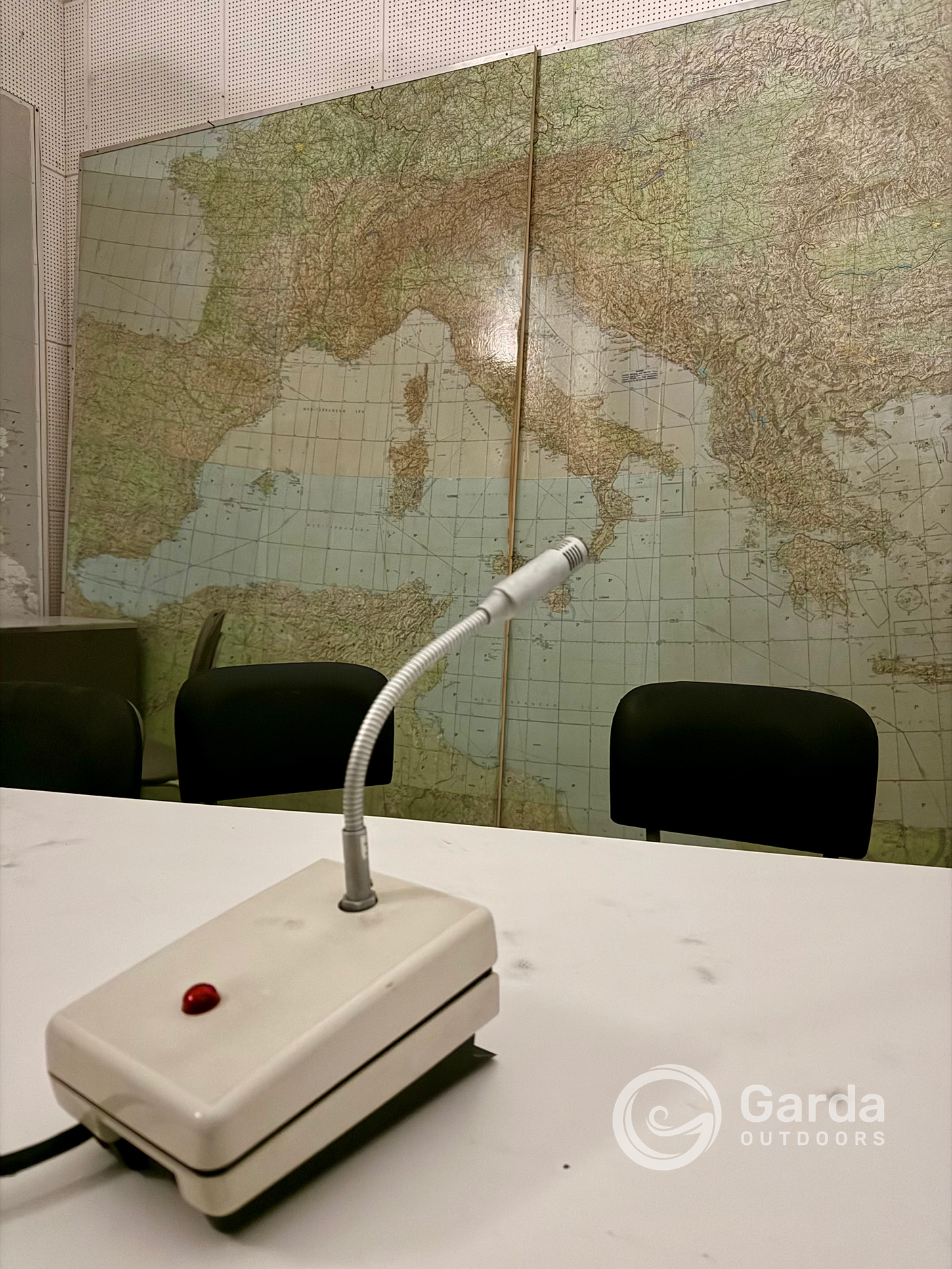
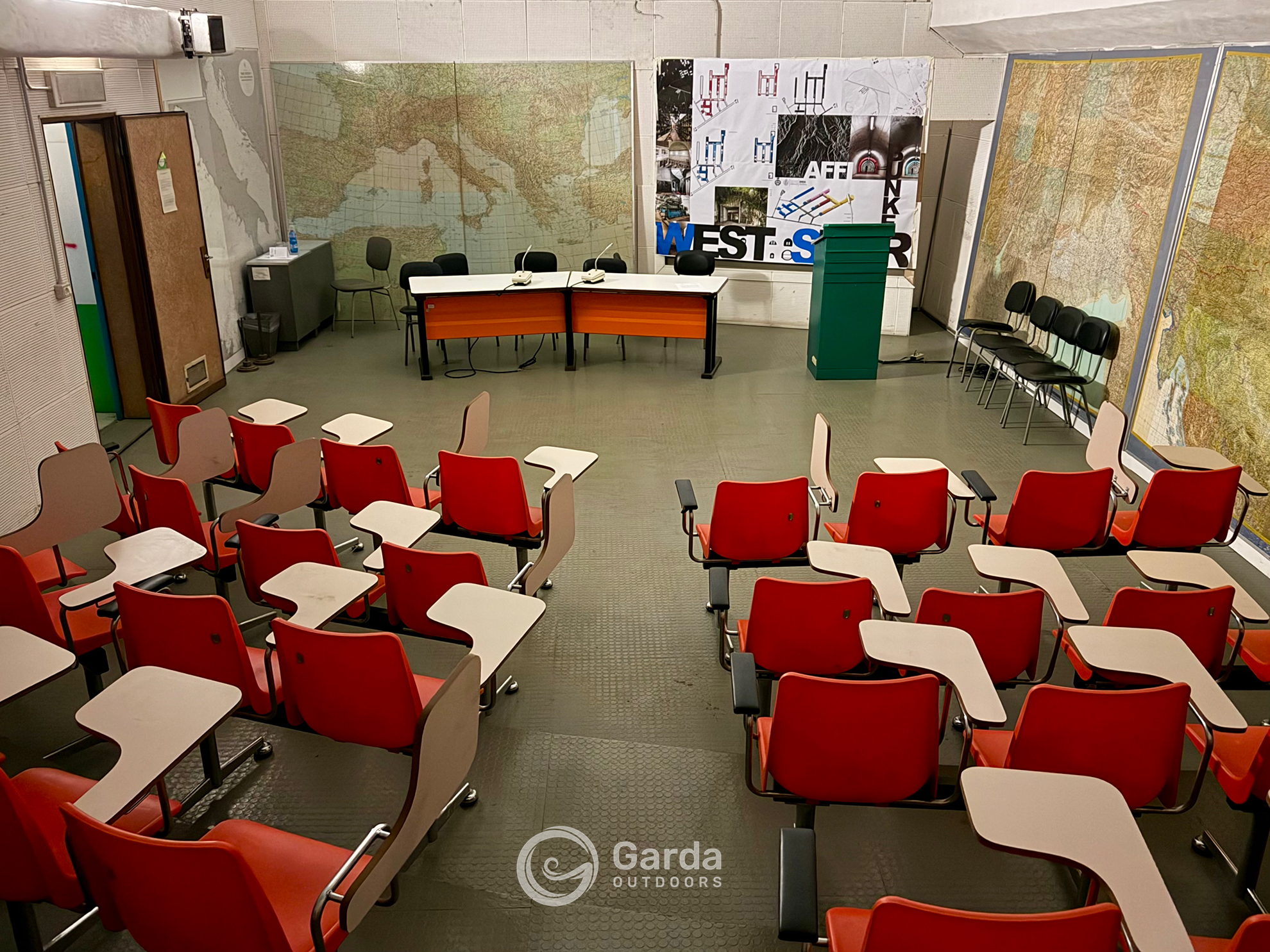
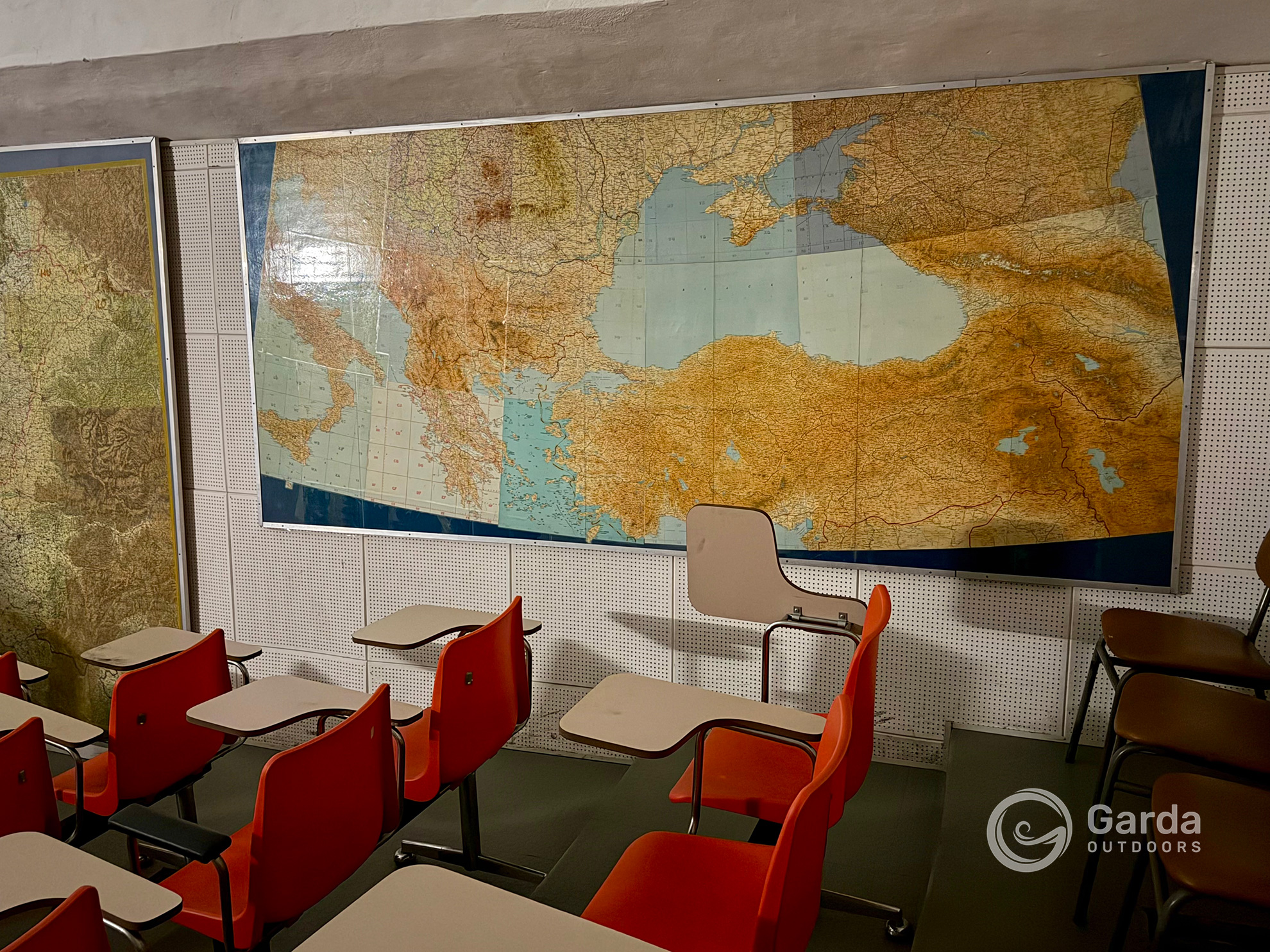
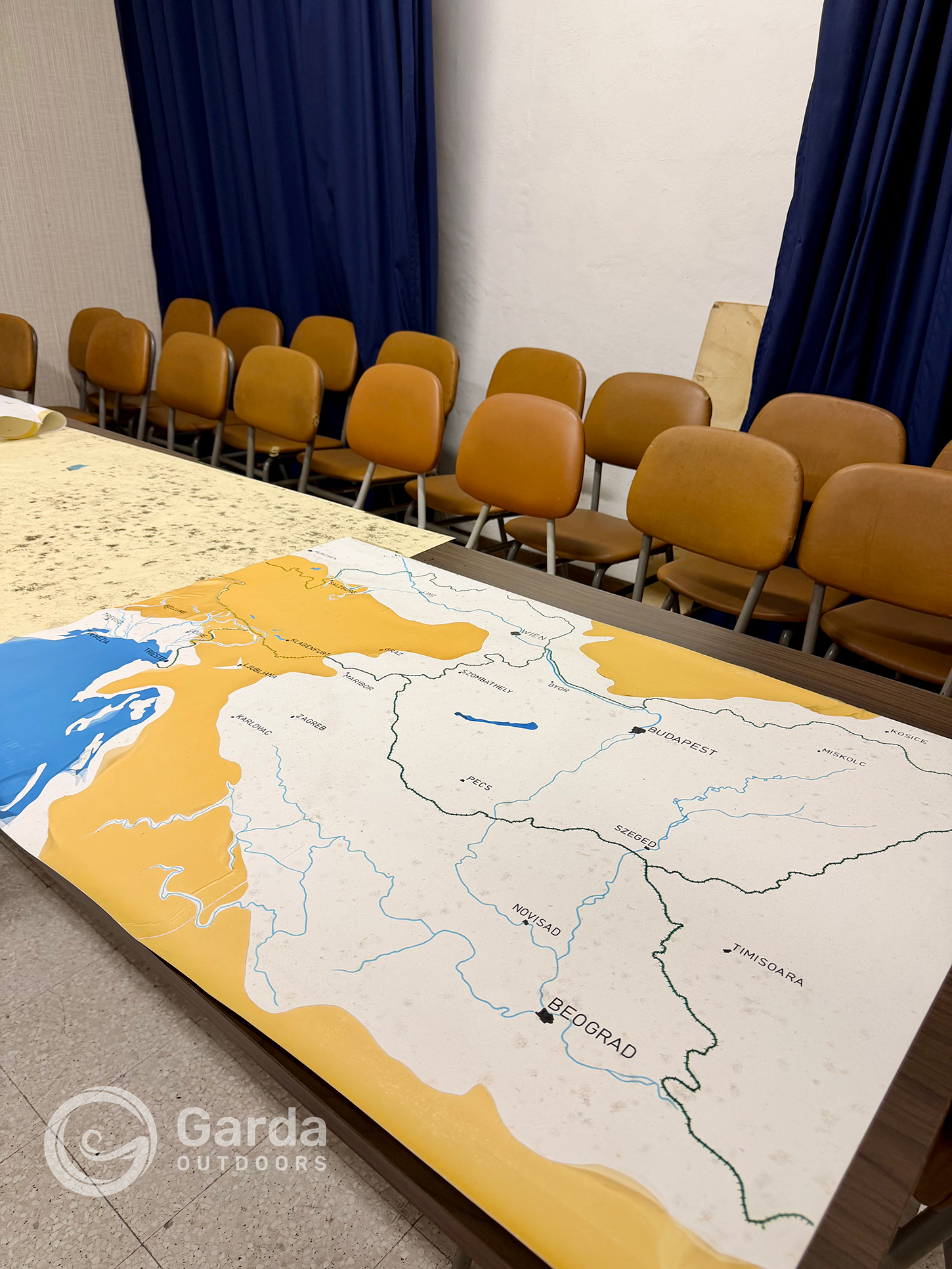
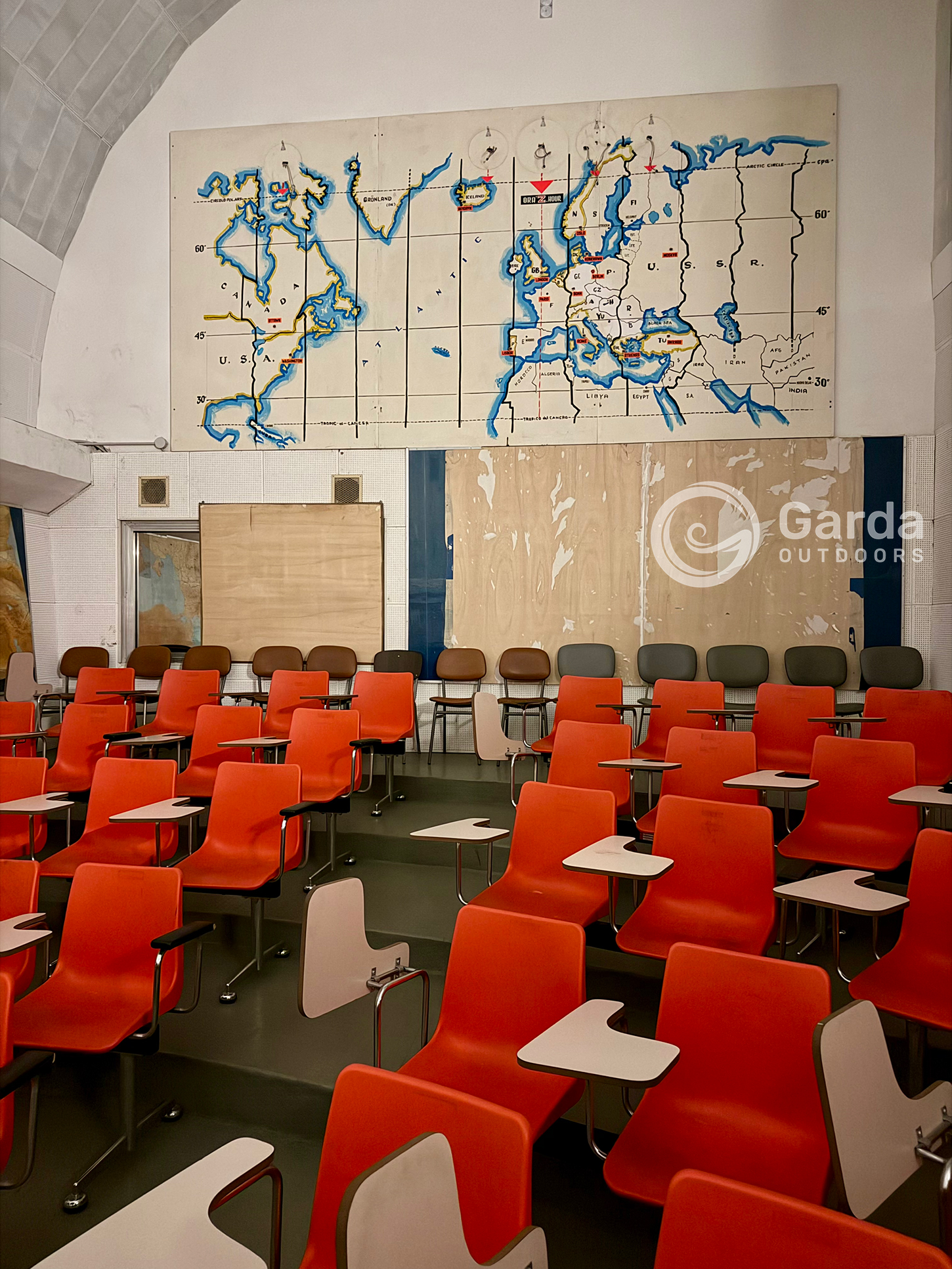
On the walls hang massive geographical maps of a Europe that no longer exists, alongside nautical and aviation charts so rare that even today’s expert map collectors no longer possess them. At the centre lies the main briefing room where meetings took place. At the back sits the translators’ station, now silent. This was the room where the most dangerous game of chess in history was played.
Living underground: panoramic canteens and barracks pranks
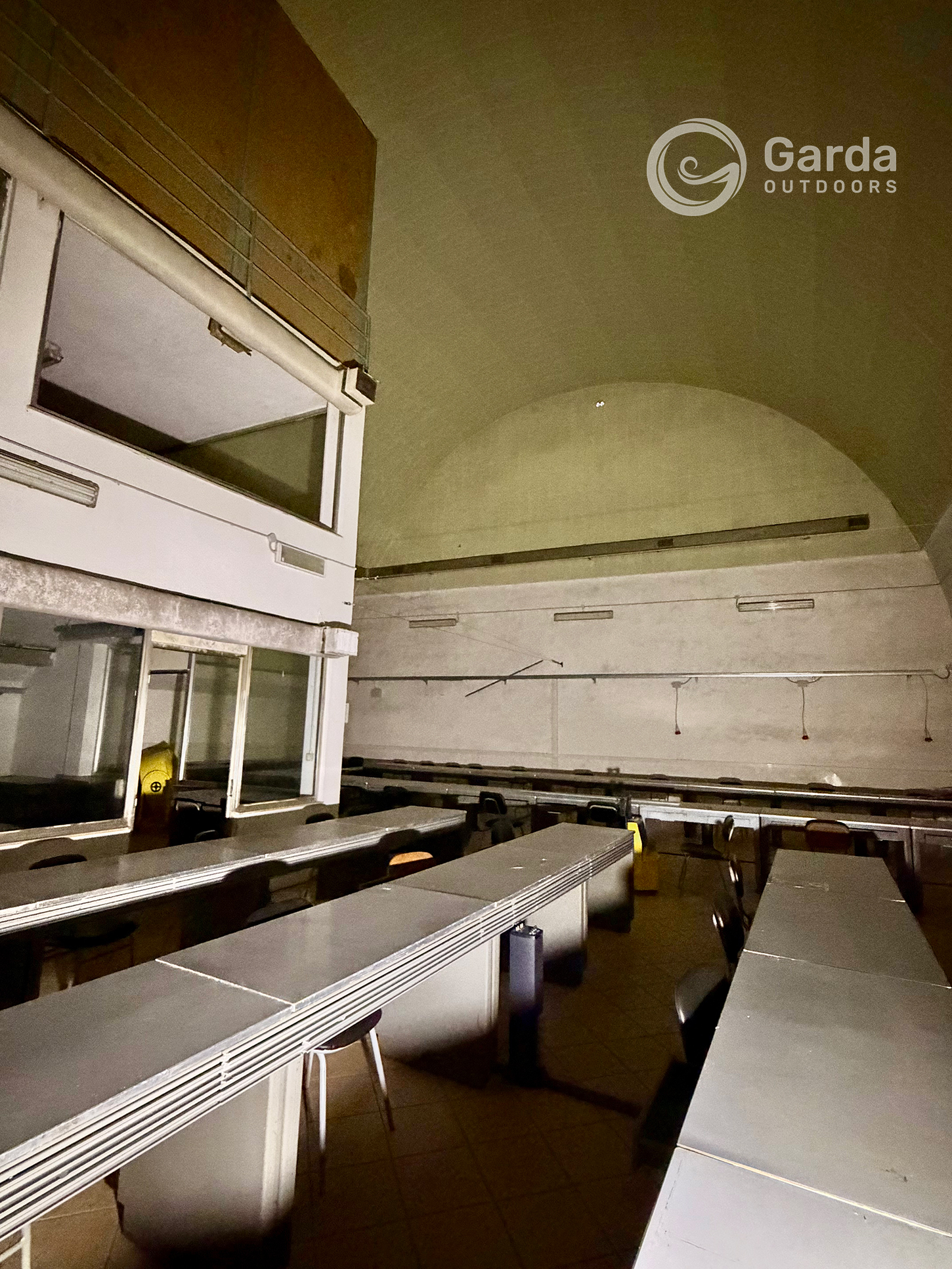
So, what was life actually like inside during grueling 12-hour shifts? The base was an underground city built to endure. In the event of an alert, up to 200 people would enter within 24 to 36 hours to be “walled in alive”, supplied with enough provisions for roughly a month.
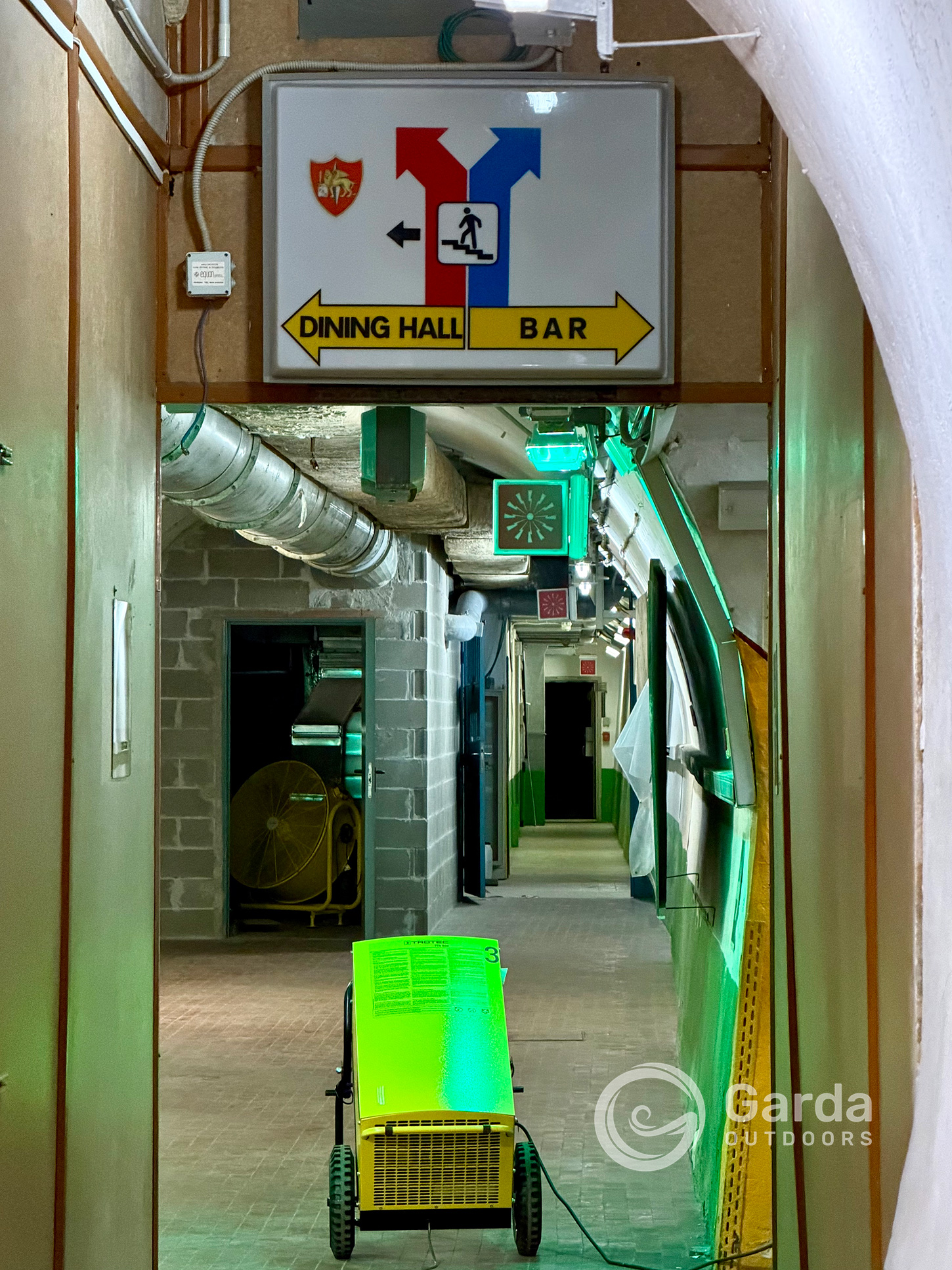
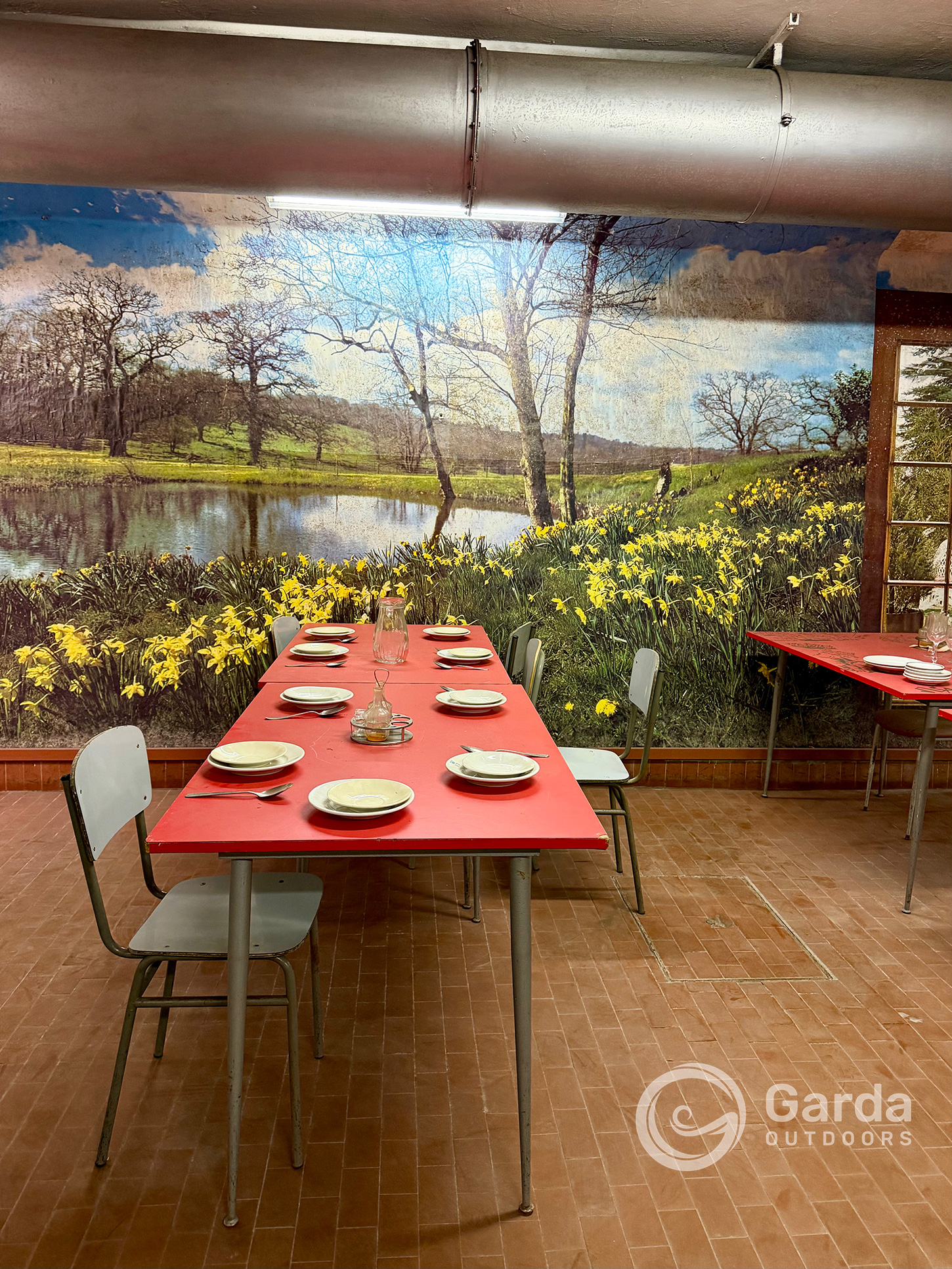
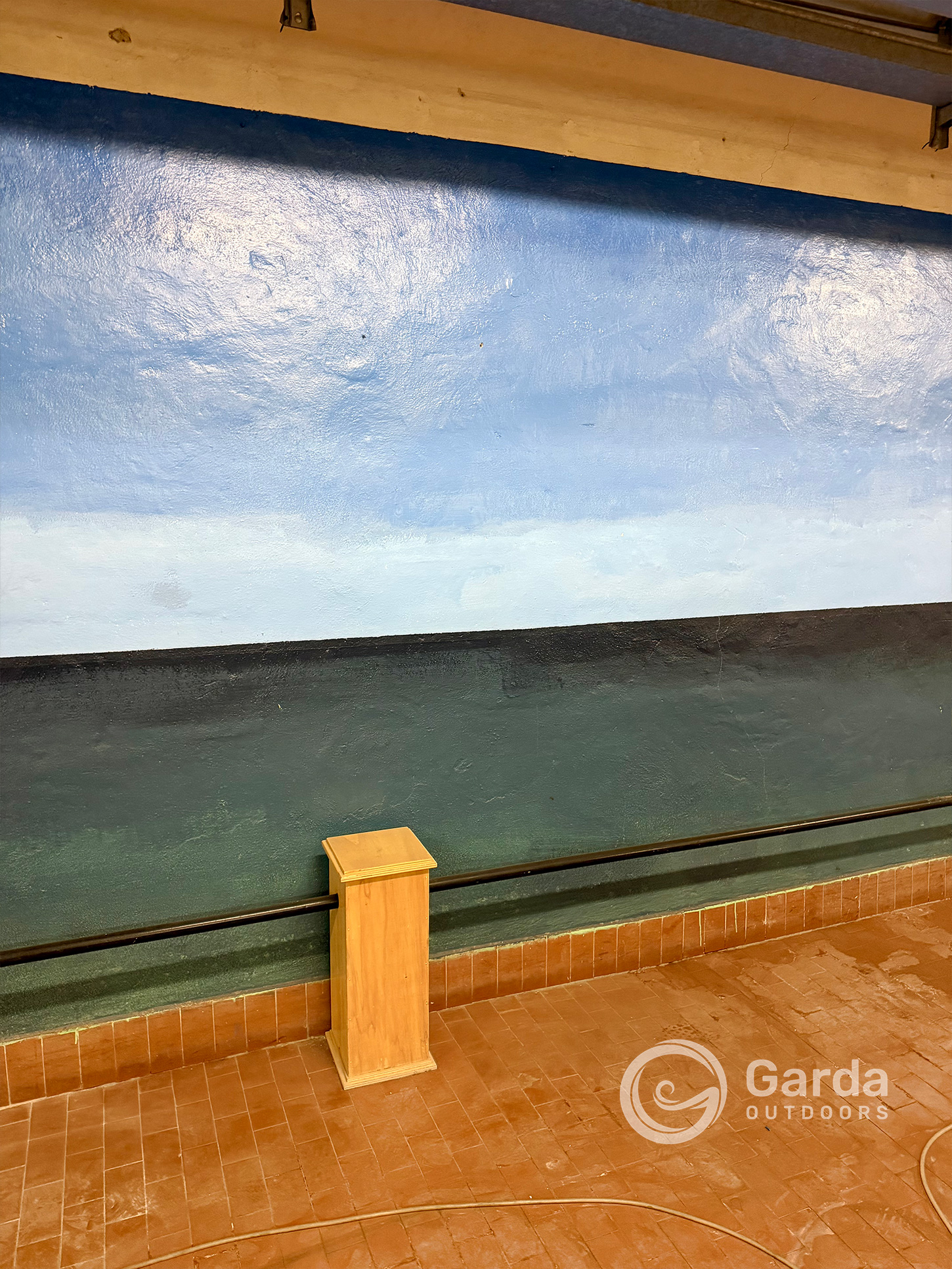
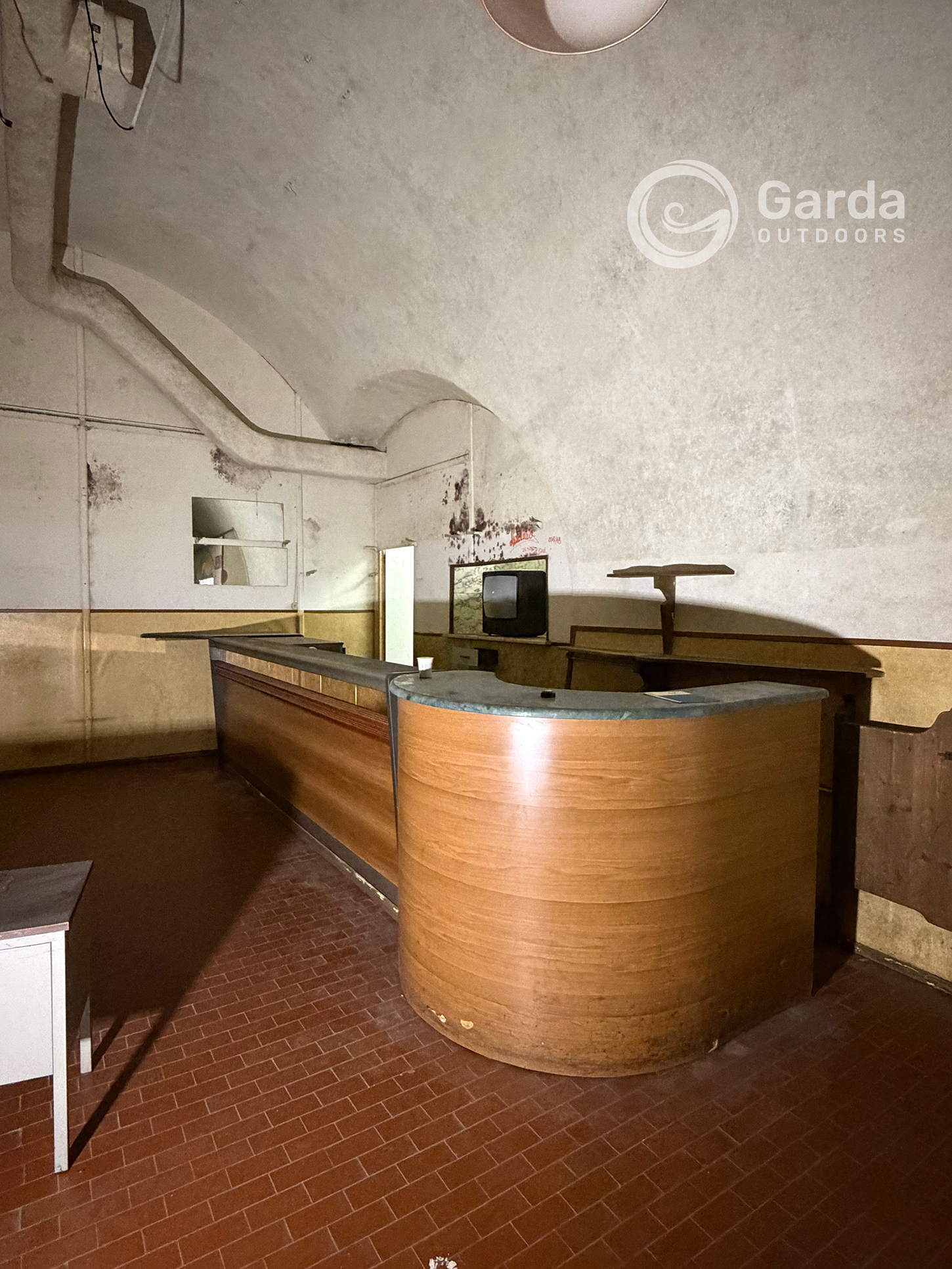
Yet even in the dark, human ingenuity found a way to let a little light in. We reach the mess hall, where a delightful surprise brings a smile to our faces. An entire wall is painted with a seaside landscape, while another features a mountain view. “Do you want to eat with a mountain view or a sea view?” asked the brilliant minds who designed the space. It was a touch of surreal humanity, offering a mental escape when the body was trapped in concrete. Stories abound of culinary pranks played on high-ranking officers, and of a chef so determined to get a new kitchen that he smashed the old tiles to convince NATO inspectors. Other surprising relics remain: a sign indicating the barber’s opening hours, an “Internet Café” sign from the late 90s, and even a jukebox—a testament to rare moments of recreation.
Practical guide & useful information
This is not a conventional museum; it is an experience. A journey through time that requires a guide to decipher the secrets it holds.
- What: West Star, former NATO missile and command base.
- Where: The base is located in Affi, in the hinterland of Lake Garda—a perfect day trip for something off the beaten track.
- Availability & future: Public access is currently in the preparatory phase; ours was a preview visit. Funds have been allocated to begin converting this site into an official museum open to everyone. We’ll keep you posted!
- How to visit: Access is currently planned to be exclusively via guided tours. The facility is a complex labyrinth currently undergoing restoration.
- What to expect:
- Temperature: A fairly biting, constant cold, in stark contrast to summer on the lake. Be sure to wear comfortable shoes and bring a jumper or jacket.
- Atmosphere: Lights that switch on in blocks, reinforced blast doors, original furniture and signage. Claustrophobic at times, yet immensely evocative.
- Mysteries: Not all doors are open. Some remain locked, adding to the site’s mystique.
- Why it’s worth it:
- It is an exceptionally rare piece of European history.
- It takes you straight inside the Cold War logistical mindset: redundancy, compartmentalization, and secrecy.
- It shows you how to design for resilience: from electrical switchboards raised off the floor to absorb blast vibrations, to heavy shut-off valves that seal everything in—every detail served a purpose and remains completely intact.
The echo of silence: as the door closes behind
We step out. The “Red Door” marks the path leading back into the main tunnel and out into the daylight. It feels like coming up for air. The deafening silence of the bunker is replaced by the sounds of the lush nature surrounding Monte Moscal. The airtight door answers with a breath of steel. The corridor looks like a periscope aimed directly at the past.
Through these lines, you haven’t simply joined us on a tour of a site. You have listened to the echo of its stories, walked where hundreds of people were meant to live for a month, speaking softly everywhere so as not to reveal too much. And when you return to the surface, the breeze over the lake feels crisp and clear. Because some doors here really have been opened, keeping watch over a past we must never forget.
Our heartfelt thanks to Giacomo Ballerini, entrepreneur, tourism consultant, and CEO of Garda Turismo, for giving us a sneak preview of this incredible place.
Ciao dear Outdoors!
Silvia Turazza