If you are planning a cultural getaway to Verona, you should know there is a decidedly revolutionary reason to fall even more in love with this splendid city.
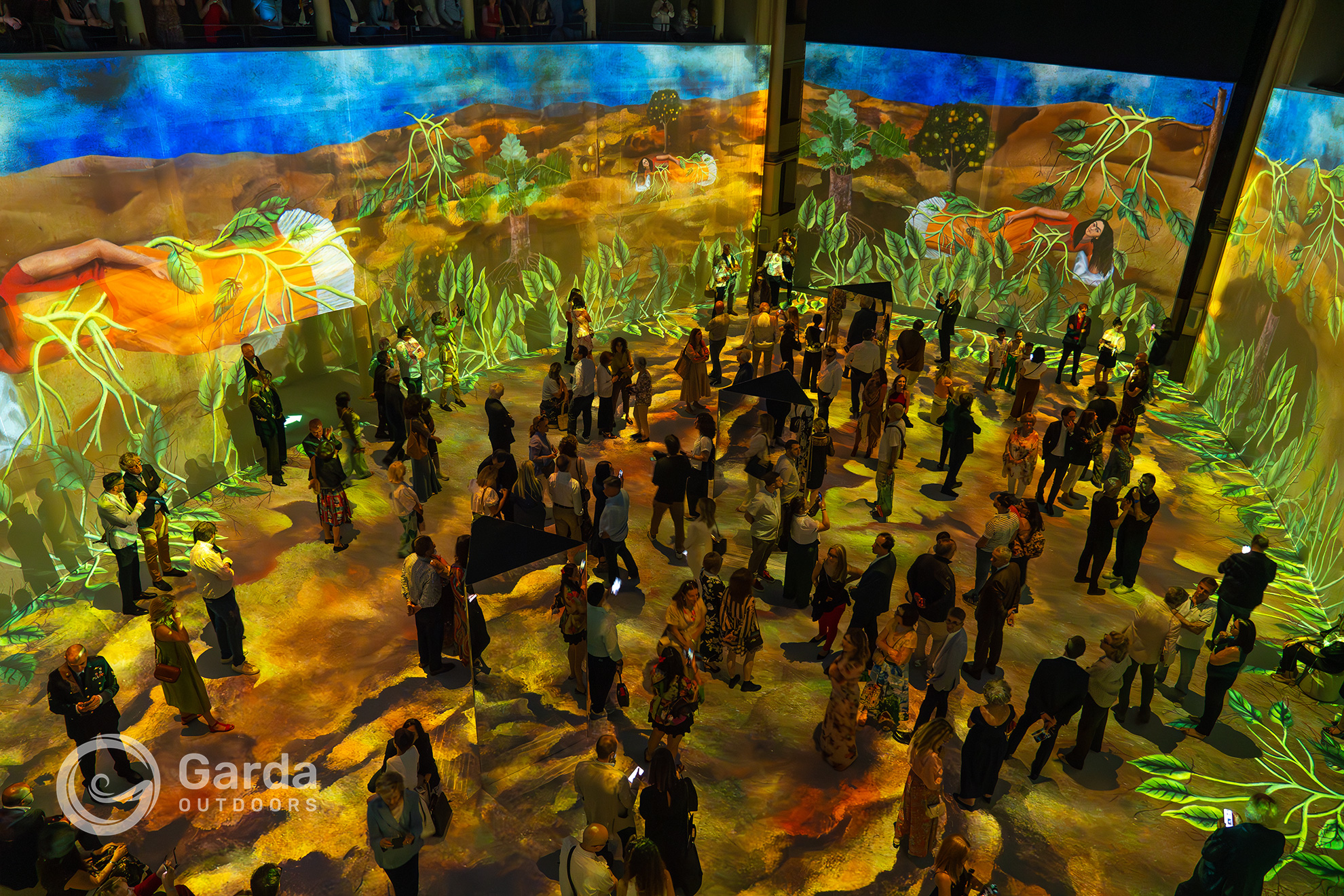
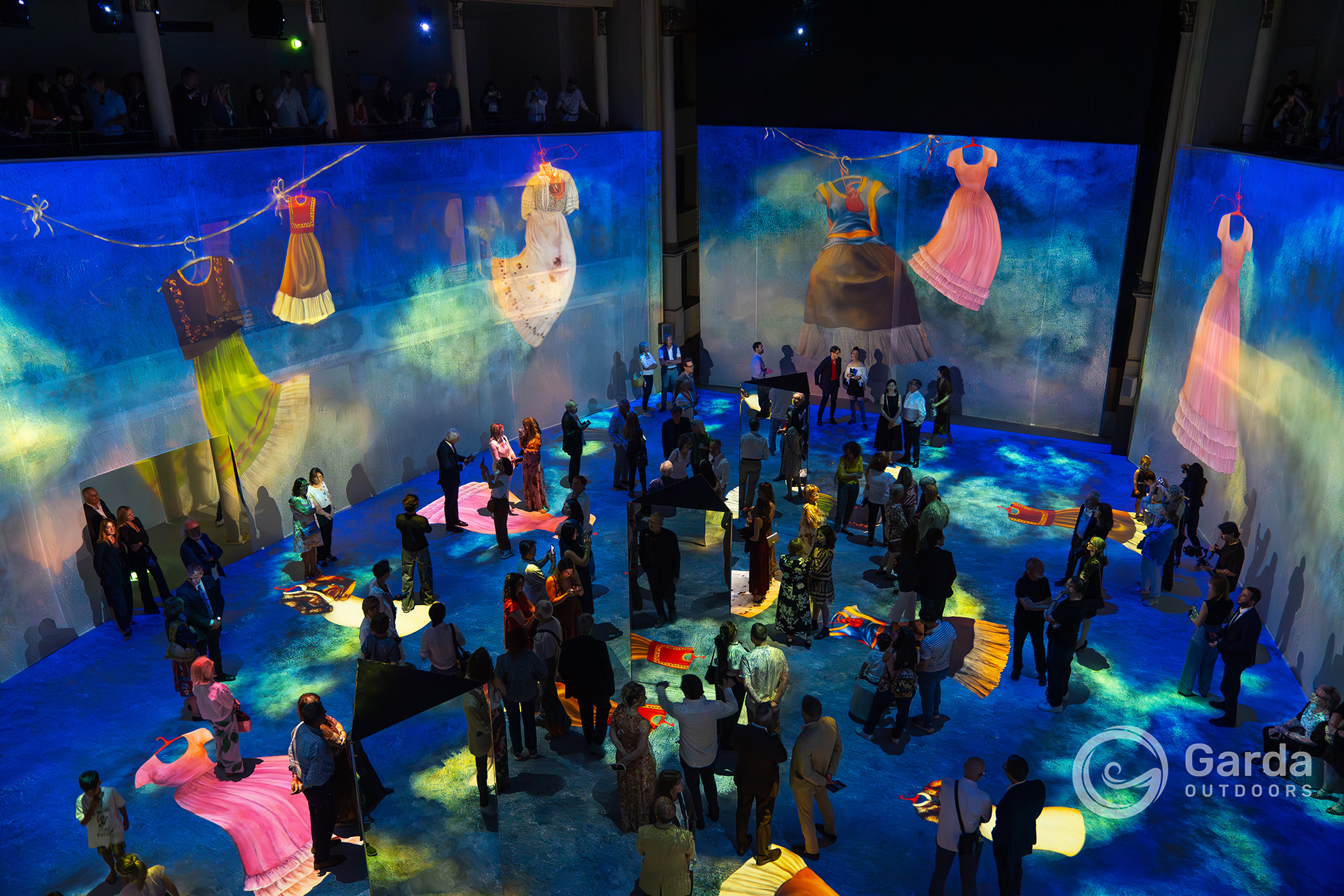
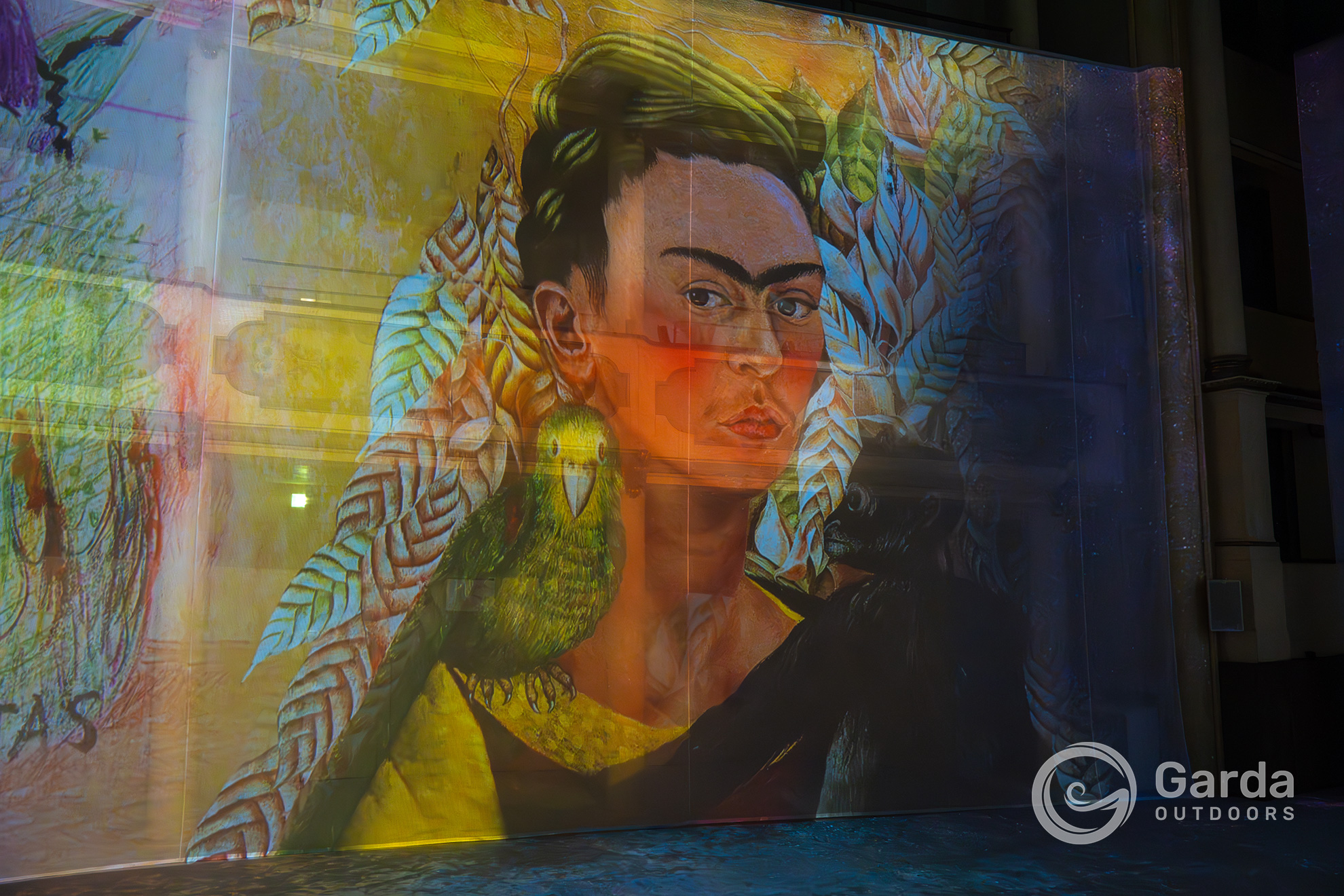
At the Teatro Ristori, from Saturday 30 May to Sunday 11 October 2026, “Frida Kahlo | A Revolutionary Life” takes to the stage—an extraordinary immersive work that will transport you straight into the cosmos of one of the 20th century’s most beloved pop and creative icons.
Do not just call it an “exhibition”. This is a true total immersive work that unites music, imagery, and the spoken word to project you directly into the swirling, intimate, and magnetic universe of the world-famous Mexican painter, now a global pop icon. An unmissable event that promises to become the jewel in the crown of this season’s cultural tourism.
The Creators: the perfect trilogy
Behind this incredible scenic machine are Massimiliano Siccardi, Luca Longobardi, and Vittorio Guidotti—the creatives who have literally revolutionised the concept of immersive art worldwide. With this show dedicated to Frida, the team ideally closes an extraordinary, groundbreaking trilogy in contemporary perception, which began with their global hits on Van Gogh and Klimt.
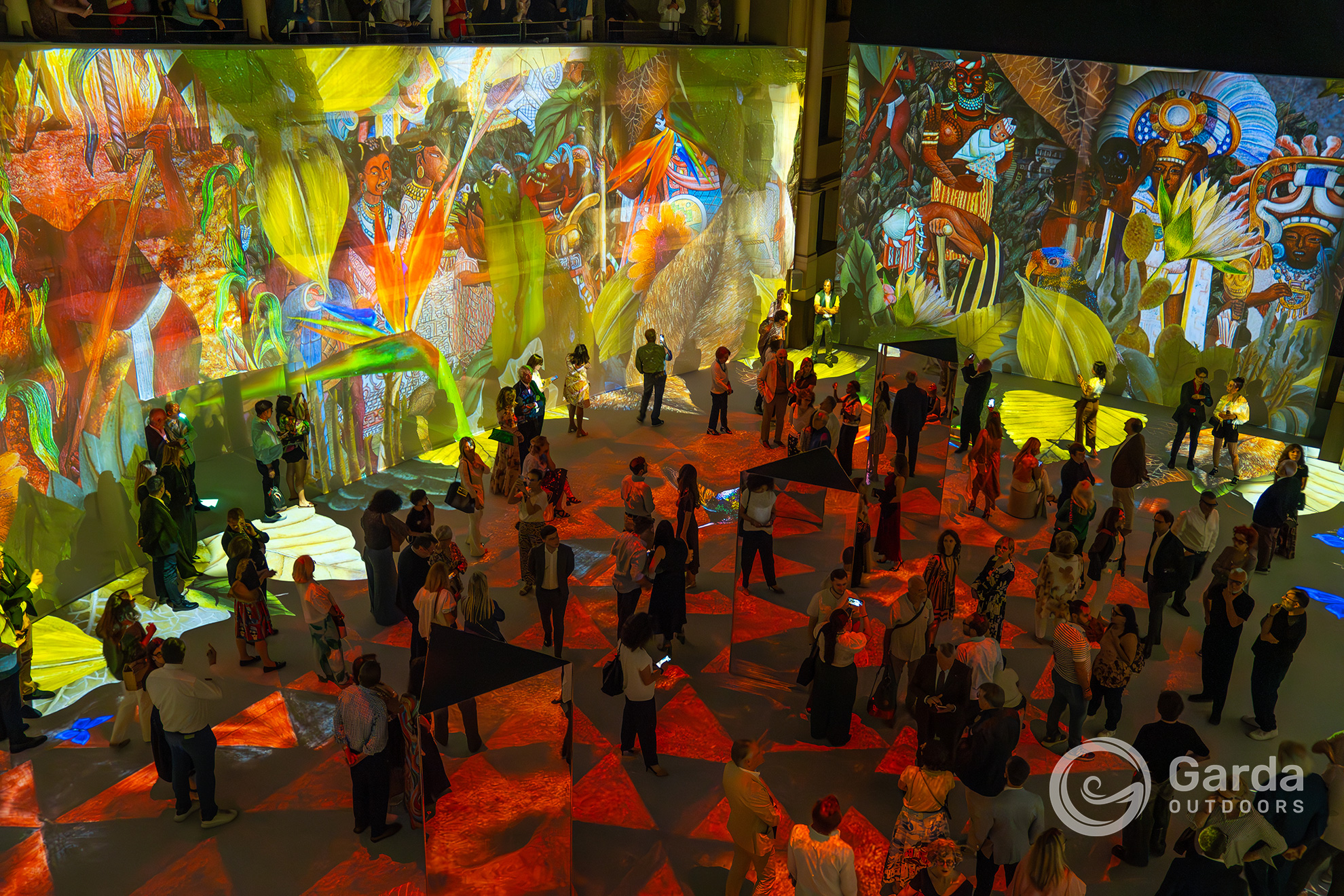
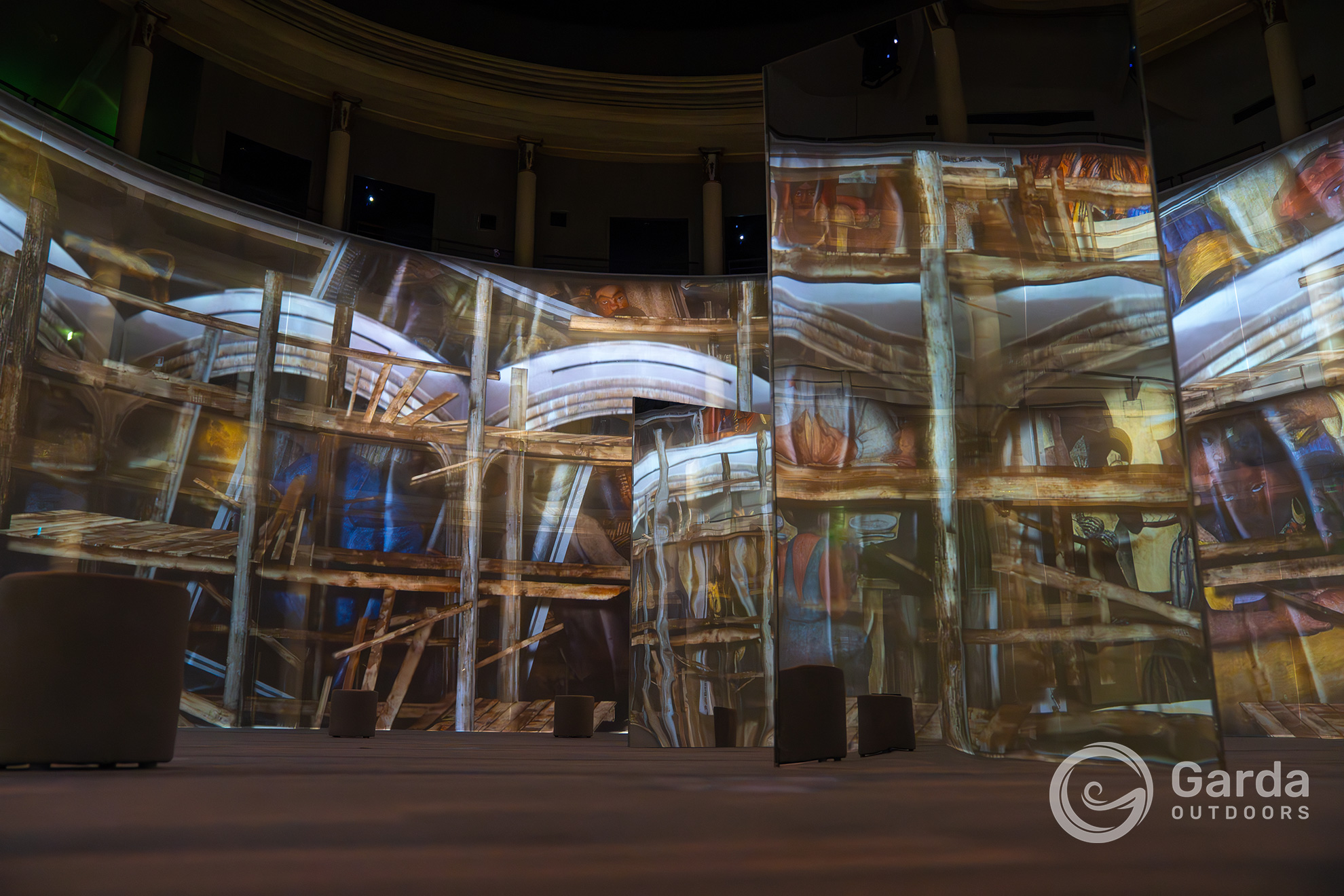
Produced by CREA srl Impresa Sociale (an instrumental company of the Fondazione Cariverona), the production presents itself as a gigantic visual and kinetic fresco. It is a tribute that echoes the expressive grandeur and style of the murals by Diego Rivera, the man who influenced Frida’s life more than anyone else.
✨ Live Lake Garda: Unique Experiences Handpicked for You
The projections utilise mixed techniques, blending the warmth of hand-drawn illustration with the cutting-edge frontiers of artificial intelligence. Do not expect a standard chronological display of different styles: the work achieves a perfect synthesis of seemingly opposing elements—Mexican folklore, surrealism, mysticism, and magical realism—capable of illuminating one another through a revealing series of self-portraits.
The immersive path: a lunar year in 13 stages
The narrative guides the audience step-by-step through an existence torn apart by pain, yet buzzing with passion and colour. A life lived as an authentic tribute to poetry, politics, suffering, and love. As the Spanish poet and painter José Moreno Villa (Málaga 1887 – Mexico City 1955) wrote, “it is impossible to separate the life and work of this very singular person: her paintings are her biography”.
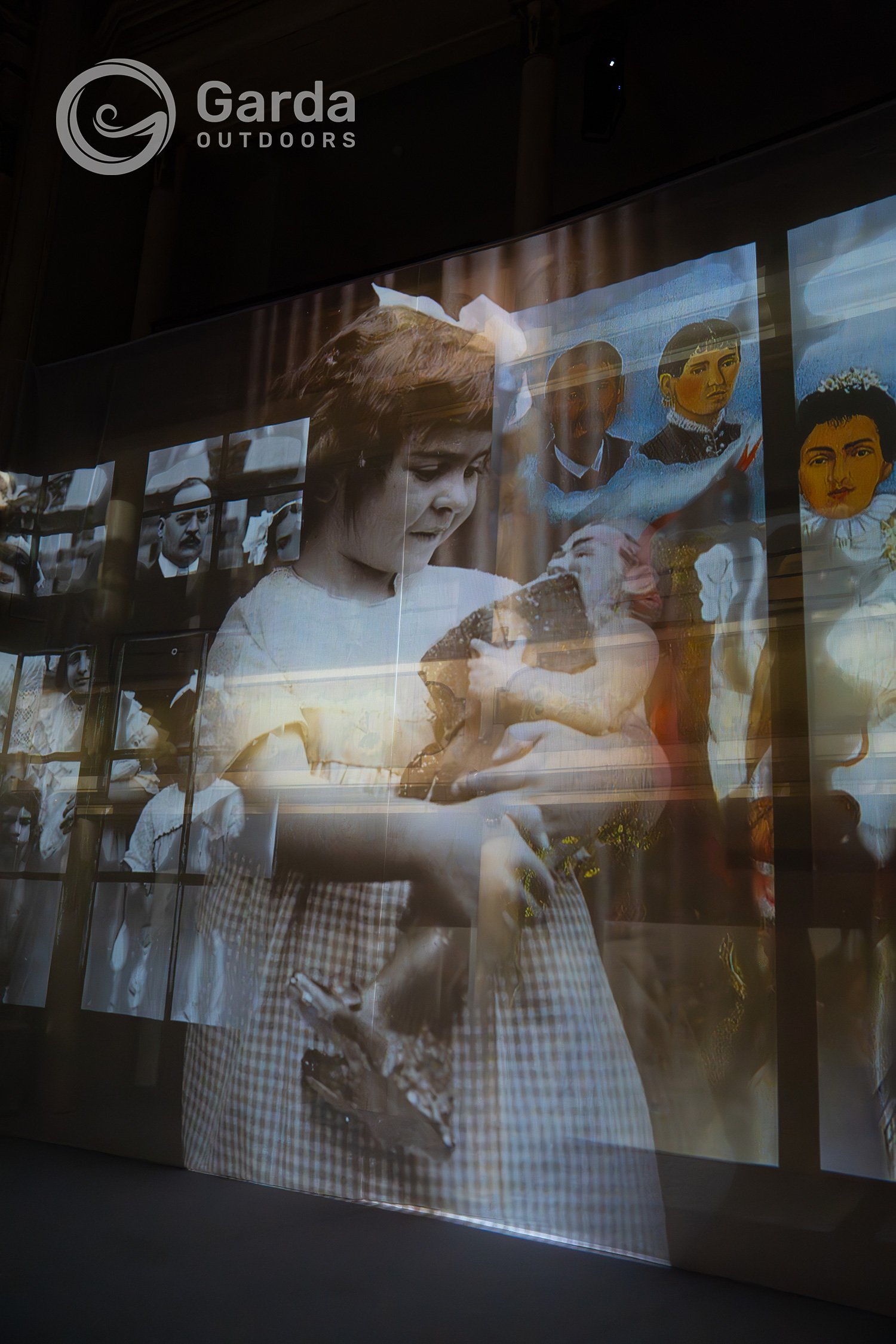
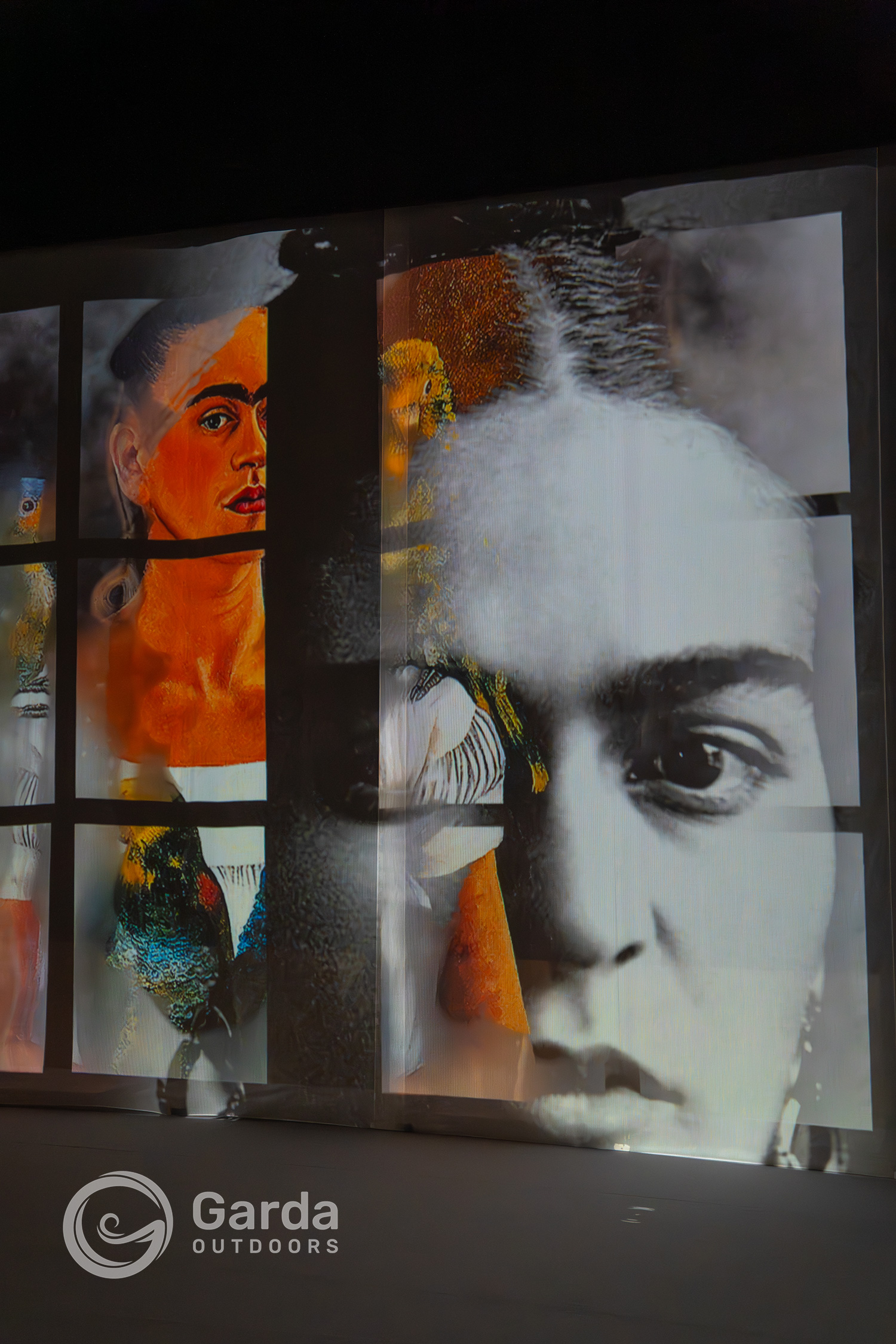
The journey is structured into thirteen stages, as many as the months of the lunar calendar typical of ancient matriarchal civilisations. Here are the 13 emotional chapters you will cross during the experience:
- Journey into the Reflected World: starts by interpreting Frida’s words: “life flows and opens paths that are not travelled in vain.”
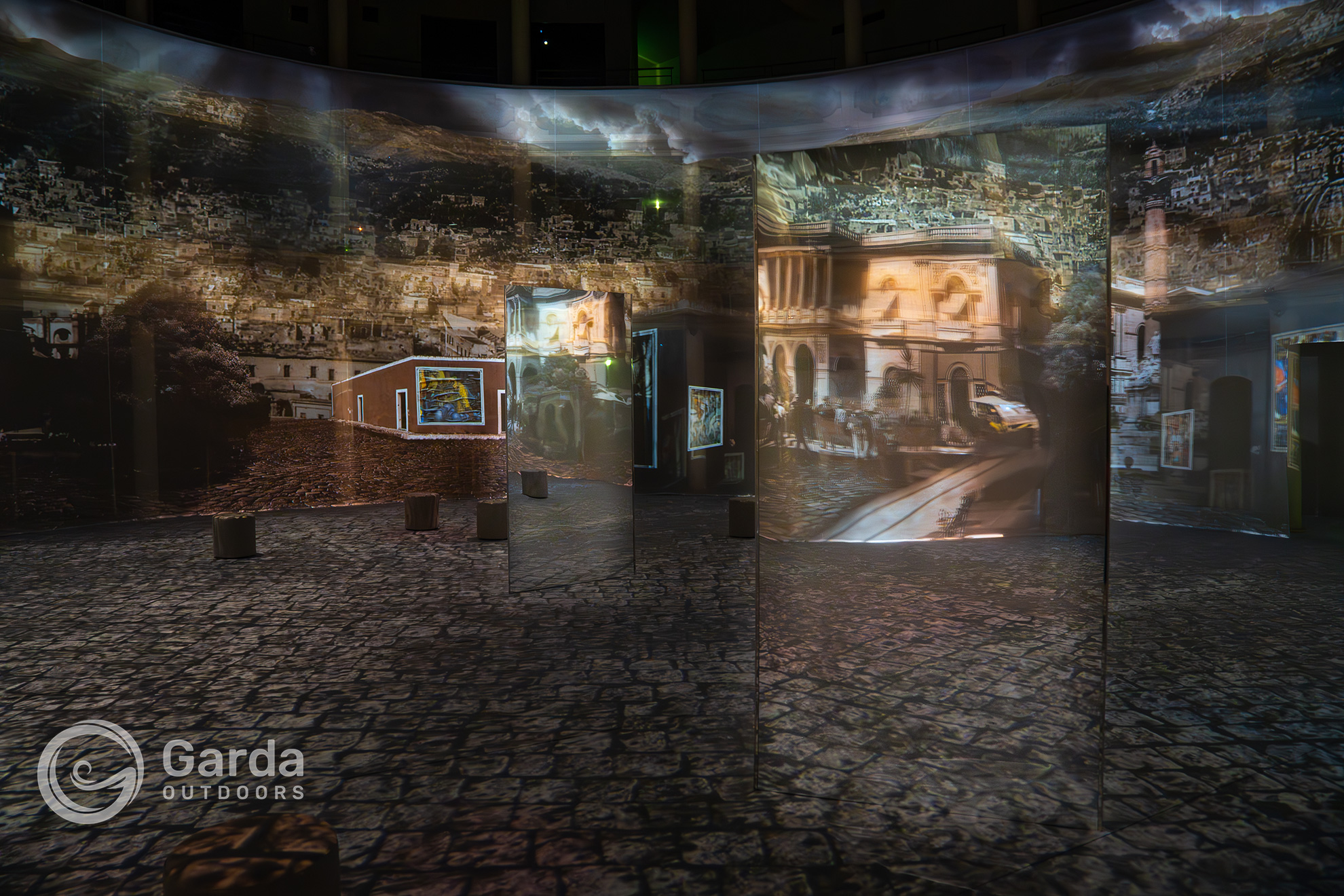
- Through the City: getting lost in the streets of her world.
- The Encounter: entering the overwhelming universe of Diego Rivera.
- A Revealing Breath: an intimate and moving moment reliving the imagination of Frida as a child who, confined to bed by polio, breathed onto the windowpane to draw a “door” to the outside world with her finger.
- Roots (Ancient Civilisations): a dive into the archetypal and pre-Columbian symbols that animate her art.
- Marriage (The Dressing of the Goddess): the sacred accord between the masculine and the feminine.
- Revolution: political and social ardour.
- Los Estados Unidos: the contradictory and overwhelming North American experience.
- The Blinding Gaze: a powerful light that pierces the path.
- Danse Macabre (Dreams and Nightmares): a foray into the world of darkness, the surreal, and mysticism.
- A Life on Stage: the theatricality of her daily life.
- The Dream of the Wounded Deer (Lost in Her World): a premonition of death and intimate suffering.
- Frida Lives (The Tram): the final stage of the lunar year. The account of the terrible accident that, while shattering her body, caused her incredibly powerful and immortal creative impulse to burst forth. The end that determines a new beginning.
An eclectic soundtrack
While your eyes fill with colour, your ears will be treated to an original and extraordinary musical score. Luca Longobardi, a classically trained composer (a pupil of the great Roberto De Simone), has crafted a soundtrack that blends different eras and musical styles.
The show is paced by two distinct rhythms: a more energetic and explosive one in the first half, and a more meditative, slow-motion one in the second, capable of trapping you in a sensory bubble of pure memory. Along the way, you will hear:
- The classical notes of Bach.
- The poignant voice of Édith Piaf.
- Gracias a la vida by Violeta Parra, performed by the magnificent Gabriella Ferri.
- The Ave Maria performed by the unmistakable voice of Mina.
- Florence + the Machine’s reinterpretation of the classic Stand by Me (by Benjamin Nelson, Jerry Leiber, and Mike Stoller).
- Original tracks composed by Longobardi, including Mi Pais and Aura (on the equal-tempered system).
Insider tidbits & highlights
- An Italian First: Did you know that the Teatro Ristori is the very first proper theatre in Italy to host an immersive exhibition of this kind? A digital vanguard inside a historical gem!
- The Madonna Track: One of the absolute highlights of the soundtrack is a live version of Édith Piaf’s La Vie en Rose sung by none other than Madonna. The backing track you will hear has been completely rewritten and custom-made by Luca Longobardi.
- A Little Secret: There is a special link between this production and the Queen of Pop. Madonna—notoriously one of the world’s biggest fans and collectors of Frida Kahlo’s work—personally went to see Siccardi and Longobardi’s exhibition in America and absolutely loved it!
- On Spotify, you can find the audio guide available in Italian, English, and Spanish.
Children at the Theatre: an experience for all ages
The production also offers a unique approach for younger audiences, inviting them to immerse themselves in a vibrant universe of light, music, and colour. Unlike conventional cinema or theatre experiences, the space is designed to encourage movement and free exploration: children can experience the narrative without the constraint of sitting still, benefiting from unique perspectives even from the highest balcony.
Thanks to the dynamic and multi-sensory nature of the path, “Frida Kahlo | A Revolutionary Life” transforms into an engaging and boredom-free voyage of discovery. This makes it an inspiring and inclusive cultural option, perfect for sharing the wonder of art with the whole family.
Useful information for your visit
- Where: Teatro Ristori – Via Teatro Ristori, 7 – Verona
- When: from 30 May to 11 October 2026
- Opening Hours:
- Monday – Thursday: 14:00 – 20:00 (last entry at 19:15)
- Friday – Sunday: 14:00 – 22:00 (last entry at 21:15)
- Tickets: you can easily buy them online on the official website fridakahloverona.com or directly at the Teatro Ristori box office.
A brief history of the Teatro Ristori
The epic history of the Teatro Ristori began in 1837. Twenty years later, in 1856, the venue was christened with its current name in honour of Adelaide Ristori, the greatest Italian actress of the 19th century, who enjoyed extraordinary success on this very stage. From that moment on, the structure established itself as the true beating heart of Verona’s cultural and social life. For over a century and a half, it hosted shows of every kind: from grand drama to opera, from gala balls to puppet shows, right through to music hall, variety shows, and even the very first film screening in the city of Verona.
The greatest giants of show business took turns on this historic stage. For theatre and comedy, the scene saw protagonists of the calibre of:
- Totò, Leopoldo Fregoli, Ettore Petrolini, Erminio Macario, and Wanda Osiris;
- Cesco Baseggio, Memo Benassi, Annibale Ninchi, Paola Borboni, and Gino Cervi;
- Carlo Dapporto, Renato Rascel, Ugo Tognazzi, and Walter Chiari;
- Dario Fo, right up to Paolo Rossi and Roberto Benigni.
The musical landscape was no less extraordinary, uniting different eras and styles:
- From masters of opera and tradition such as Pietro Mascagni, Beniamino Gigli, and Toti Dal Monte;
- To the great singer-songwriters and performers of pop and jazz like Domenico Modugno, Paolo Conte, Gino Paoli, Roberto Vecchioni, and Chick Corea, all the way to Vasco Rossi.
After closing in 1983 due to a failure to comply with safety regulations, the theatre was purchased in 2001 by the Fondazione Cariverona, driven by a deep desire to return this jewel to the community. Protected and preserved by the Superintendency for Architectural Heritage of Verona, the Ristori is today recognised as one of the finest and most splendid examples of 19th-century theatre architecture.
Pain turned into beauty, technology turned into poetry; “Frida Kahlo | A Revolutionary Life” promises to be the most highly anticipated cultural event of Verona’s season: not just an exhibition, but a sensory ecosystem where the boundary between the viewer and the artwork completely dissolves.
Ciao dear Outdoors!
Silvia Turazza